






“We believe in two things: the pursuit of quality in all we do, and looking after one another. Everything else should just take care of itself.”

Summer shop
Fresh styles. Fresh colors.
The countdown for summer has started.

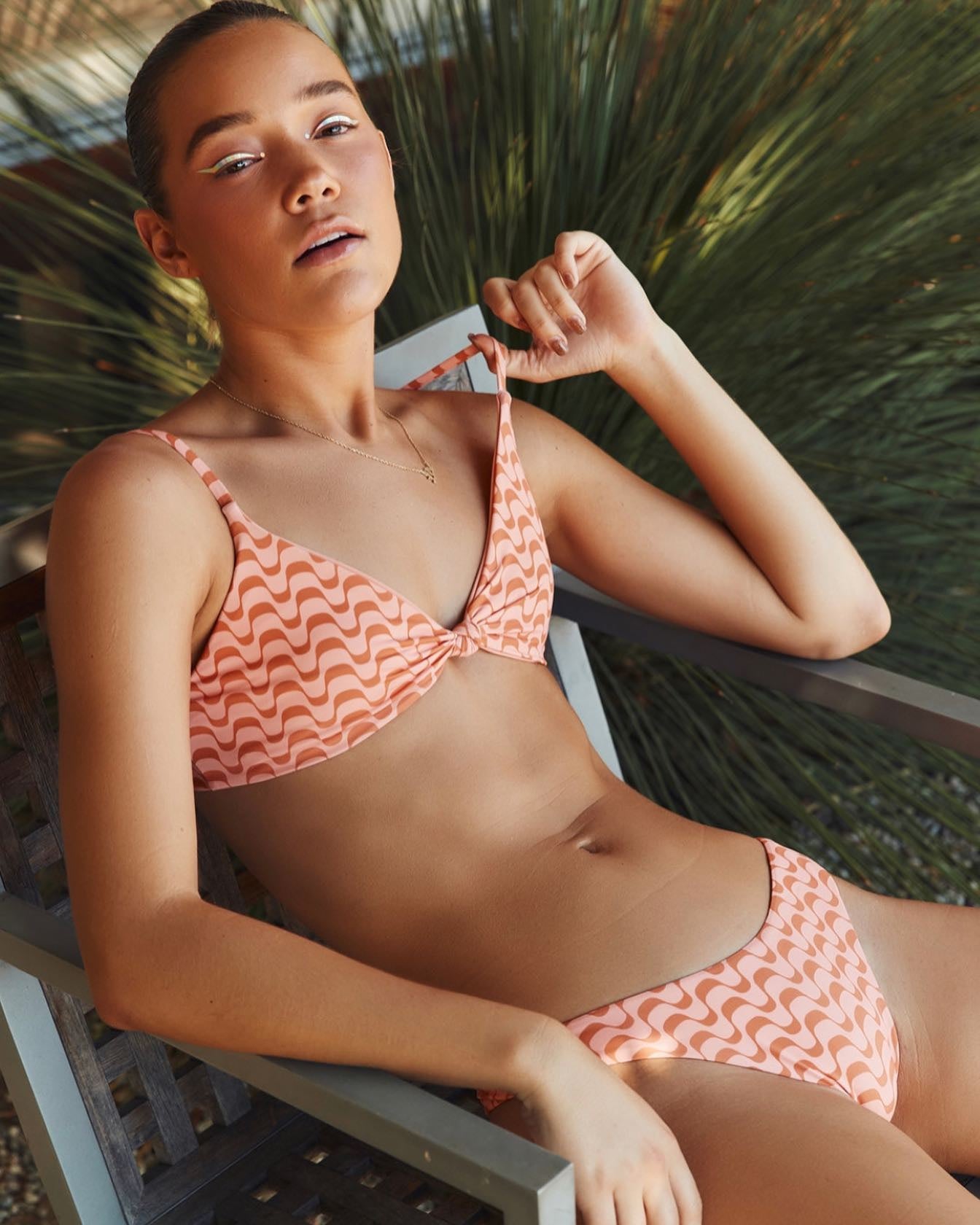
The dream bikini
Find your dazzling two-piece bikini.
From only $60.
Gift Cards
Give the gift of Swimwear!
from $10-$250.


French Lace Lingerie
Quick Guide: French Lace Lingerie
French lace lingerie is intimatewear crafted from fine, often leavers-woven lace designed in France, cut and constructed to contour the body with precision. It delivers lightweight support, intricate texture, and sensual transparency, combining couture-level fabric with intelligent pattern engineering for a refined, unmistakably luxurious feel.
Table of Contents
Why Choose French Lace Lingerie?
French lace lingerie is what you reach for when you want lingerie that feels like it could have come from a couture atelier rather than a basic bulk run. A curated french lace lingerie collection is built around one defining idea: the lace itself is a primary design element, not an afterthought. The fabric carries the story—texture, light, shadow, and pattern—while the pattern-cutting and construction turn that story into a garment that actually fits, lifts, and flatters.
Unlike generic lace sets where the lace is often stretch-heavy, flat, and loosely patterned, French lace is highly engineered. Motifs are deliberate. Negative space is deliberate. The relationship between dense and open areas in the lace is deliberate. When that textile is placed over the bust, along the hip, or across the spine, the result is more than “pretty.” It’s architectural. The lace follows your curves, frames your shape, and creates natural lines that read as elegant, not busy.
This is why French lace lingerie sits comfortably at the high end of the spectrum, alongside refined luxury lingerie and polished elegant lingerie. You’re not buying a pattern; you’re buying the mill’s history, the density of the yarn, and the way that lace behaves when tensioned over living tissue rather than a flat cutting table. The difference is obvious the moment you close the band and see how the lace cup settles on the bust: it doesn’t just “cover”; it wraps and supports.
French lace lingerie is also for women who are tired of choosing between romance and function. A French lace balconette can be as structurally competent as a plain T-shirt bra, with multi-part cups and firm wings quietly doing the heavy lifting. The difference is that instead of a blank, utilitarian surface, you get an intricate pattern that feels aligned with the tenderness of pieces in romantic lingerie and the softness of feminine lingerie, but with more technical backbone.
On the skin, the experience is distinct. Good French lace is not scratchy. The yarns are fine, the ground (the net or mesh between motifs) is stable, and the edging is carefully scalloped so it lies flat. Once you’ve worn well-cut French lace, a lot of basic lace suddenly feels coarse and clumsy. That’s not snobbery; it’s simply your nervous system recognizing the difference between a fabric that barely tolerates movement and one that was designed from the start to live on a breathing, shifting body. For those who love ultra-light, sensitive fabrics from delicate lingerie, French lace is the natural next step when you want the same tenderness with more staying power.
Visually, French lace lingerie offers scale and nuance. Motifs can be fine and floral, bold and graphic, or somewhere in between. When used over sheer mesh or as an appliqué, it creates a layered effect—a little like the interplay you see in curated lace lingerie collections, but with a sharper, more defined personality. Under clothing, those motifs may ghost through thin fabrics just enough to remind you what you’re wearing; under a blazer or open shirt, a French lace bra or bodysuit can act like a constructed top, not simply underwear.
Ultimately, you choose French lace lingerie when you want intimacy and precision in the same piece. You want lace that earns its place on your body, not lace that just fills a marketing checkbox. You want something that looks expensive because it is well made, not because it’s overloaded. You want the fabric to tell a story when someone is close enough to see it—and you want that story to be about quality, craft, and control rather than noise.
The Deep Dive: Science, History & Materials
French lace lingerie is the product of textile engineering, historic craftsmanship, and modern lingerie construction. Understanding why it feels different starts with how the lace itself is made—and how it’s handled once it reaches the lingerie workroom.
1) What makes French lace different?
“French lace” isn’t just a marketing phrase; it usually refers to lace designed and often produced in France, frequently on traditional leavers looms or advanced raschel machines tuned for finesse rather than cheap volume. The key differences are:
- Yarn fineness: Finer yarns create softer, more flexible lace that can contour without feeling bulky.
- Motif detail: French lace tends to have highly refined, balanced motifs—florals, scrolls, geometrics—where the dense and open areas are balanced to avoid sagging or stiffness.
- Ground stability: The net structure between motifs holds together under tension, so the lace doesn’t bag out or warp with wear.
This matters in lingerie because lace is not only decorative; it’s structural. It needs to manage the tension in a bra cup, the stretch across a hip, the movement of the torso. A flimsy lace might look fine on a stand; on a living body, it reveals its limitations immediately.
2) Lace + mesh: the invisible collaboration
French lace is rarely used alone. In bras, it’s often backed or paired with mesh to fine-tune support and stretch. Mesh selection is critical: the wrong mesh will fight the lace or distort it; the right mesh will reinforce it. This is where the logic overlaps with the engineering seen in performance-driven mesh lingerie and airy sheer lingerie. The mesh provides directional stretch and recovery, while the lace provides beauty and localized strength.
For example, a full cup might use:
- Rigid or low-stretch French lace in the lower cup, lined with a stable mesh.
- Softer stretch lace or lace lined with lighter mesh in the upper cup for ease and flexibility.
- Power mesh in the wings to control the band tension.
The wearer sees and feels the lace, but the internal mesh system is what keeps everything in place. In more revealing pieces, mesh may be more visible, echoing the aesthetic language of see through lingerie or transparent lingerie while still giving the lace something stable to cling to.
3) French lace and tension mapping over the bust
Because French lace behaves differently along different axes (more stretch in one direction than another, more rigidity where motifs are dense), the way it’s oriented in the pattern matters. Skilled pattern cutters rotate lace pieces, align motifs, and decide where the strongest parts of the lace should sit:
- Denser motifs often placed at the base of the cup, where lift is required.
- More open motifs or lighter ground at the neckline, where some ease and softness are desired.
- Motif centers aligned with the apex of the bust for visual balance.
When this is done properly, the lace contributes to support instead of resisting it. When done badly, neckline edges collapse, cups wrinkle, and the lace can even cut into tissue along the wrong lines.
4) French lace in bodysuits and briefs
On the torso and hips, French lace has to manage both vertical and horizontal movement—breathing, bending, sitting. That’s why you’ll often find it combined with stretch tulle or mesh from families similar to those in tulle lingerie and soft mesh lingerie. Lace panels might be placed over the stomach with stretch netting at the sides, or lace may cover the front of a brief while the back uses more forgiving mesh.
The goal is to keep the lace looking crisp and aligned without turning the garment into a rigid shell. French lace excels here because the ground is usually strong enough to keep motifs from distorting even as the body moves, meaning a bodysuit can hug the spine and waist elegantly instead of twisting or sagging.
5) French lace, opacity & psychological comfort
French lace usually sits in the semi-sheer zone. It doesn’t hide the body the way opaque jerseys do, but it doesn’t expose everything with the blunt transparency of ultra-clear meshes. It sits in the same emotional range as refined see through lingerie and controlled transparent lingerie: the body is visible, but filtered.
This matters because for many women, full visibility can feel aggressive, while full opacity can feel dull. French lace lets you choose where you want coverage and where you want suggestion. A denser motif over the nipple with more open lace at the upper cup, a bold floral over the pubic area with more negative space at the hip: all of this is visibility management. It allows you to be seen and hidden in different zones, on your own terms.
Comprehensive Feature Breakdown
French lace lingerie has certain recurring design signatures. Understanding them helps you read a piece quickly and know whether it’s doing the work it needs to do for your body and your aesthetic.
- Feature 1: Motif mapping and mirrored cups – In high-quality pieces, lace motifs are mirrored from one cup to the other. This requires careful placement and cutting and is a hallmark of the same meticulous mindset you see in elevated sophisticated lingerie. Mirroring creates visual symmetry over the bust and keeps the design feeling intentional rather than random.
- Feature 2: Multi-part lace cups with mesh linings – French lace cups are rarely one piece. You’ll see vertical seams for lift, diagonal seams for centering, and sometimes hidden side slings behind the lace. Internally, mesh linings are cut in the same shapes, echoing the construction logic of artisan lingerie. This is the engine of support beneath the romance of the lace.
- Feature 3: Strategic use of black and deep tones – French lace in black or near-black shades creates dramatic contrast, especially when used in sets that feel related to refined black sheer lingerie. Dark lace over pale skin or lighter lace over deeper skin tones both emphasize motif detail and create a sophisticated interplay of shadow and line.
- Feature 4: Hybrid silhouettes and nightwear crossovers – French lace appears in bras, briefs, thongs, bodysuits, and floaty pieces. Sheer chemises or babydolls can borrow from the lightness of sheer babydoll designs but replace generic mesh with French lace panels, giving the garment more structure and a richer tactile experience.
How to Choose: French Lace Lingerie vs. Alternatives
French lace lingerie doesn’t exist in a vacuum. It shares the drawer with bold, dark, sheer, minimalist, and experimental pieces. Understanding how it compares helps you decide when French lace is the correct tool—and when another aesthetic might serve you better.
French Lace vs. Bold & Edgy Lingerie
bold lingerie and edgy lingerie rely on high-contrast shapes, hardware, strapping, and graphic cut-outs. French lace lingerie can be visually strong, but its strength is in intricacy rather than aggression. If you want impact that comes from lines and metal, go bold or edgy. If you want impact that comes from texture, pattern, and the intimacy of close-up detail, French lace is the better fit.
French Lace vs. Gothic & Dark Lingerie
gothic lingerie and dark lingerie lean into shadow, symbolism, and sometimes heavier motifs. French lace can absolutely be used in dark palettes: black roses, baroque scrolls, cathedral-inspired patterns. The difference is nuance. Gothic pieces tend to foreground theme; French lace pieces foreground craft. If you want your lingerie to feel like visual storytelling, go gothic or dark. If you want it to feel like someone obsessed over every centimeter of the lace, go French lace.
French Lace vs. Sheer / See-Through / Transparent / Clear Lingerie
sheer lingerie, see through lingerie, transparent lingerie, and clear lingerie all live on the visibility spectrum. The difference is what stands between your skin and the eye. In those categories, mesh, tulle, or ultra-clear synthetics are the main story. In French lace lingerie, the lace is the main story. Visibility is important, but it’s filtered through motif, texture, and craftsmanship. Choose the sheer/transparent families when you want the body itself to be the graphic; choose French lace when you want the fabric and the body to collaborate.
French Lace vs. Barely There & Revealing Lingerie
barely there lingerie minimizes fabric; revealing lingerie uses cut-outs, open cups, and voids to expose skin. French lace lingerie uses more fabric by definition—it needs surface to show the lace. That doesn’t mean it’s modest; it simply uses coverage differently. If you want to feel almost naked, strings and micro-panels might serve you better. If you want the sensual weight of lace against your skin and the psychological comfort of being technically covered while visually exposed, French lace is the right choice.
French Lace vs. Romantic / Feminine / Delicate Lingerie
romantic lingerie, feminine lingerie, and delicate lingerie prioritize tenderness—soft colors, floaty cuts, gentle textures. French lace can absolutely sit inside those moods: soft blush lace balconettes, cream lace briefs, floaty chemises. The difference is density of craft. French lace is deliberate down to the yarn, often more durable, and usually more expensive. When you want the feeling of romance and femininity but with a stricter standard of quality and longevity, French lace is the upgrade.
French Lace vs. Luxury & Artisan Lingerie
luxury lingerie is the broader umbrella of high-end fabrics and refined cuts. artisan lingerie emphasizes hand work and small-batch precision. French lace lingerie often belongs to both by default: it uses a premium textile and usually demands more hand placement and finesse. If your priority is fabric quality, luxury is the lens. If your priority is technique, artisan is the lens. French lace sits at the intersection, offering you both when it’s done well.
Expert Care Instructions
French lace lingerie will not forgive rough treatment. The same fineness that makes it sensual is what makes it vulnerable to heat, friction, and harsh chemicals. Care is about protecting the integrity of the lace ground and preserving the elasticity of all supporting materials.
1. Hand wash, always
Fill a basin with cool or lukewarm water and a small amount of lingerie-specific detergent. Fasten hooks and place pieces in the water, letting them soak for several minutes. Gently press water through the lace and mesh; avoid scrubbing or wringing.
2. Focus on rinsing thoroughly
Detergent residue dries stiff and can dull the lace. Rinse until the water runs clear, paying particular attention to underband regions, wing seams, and gussets. The goal is for the lace to dry soft and flexible, not coated.
3. Never twist or wring French lace
Twisting stresses the lace ground and can distort motifs or stretch out elastics. Instead, lay the piece flat on a towel, roll it gently to absorb water, then unroll and reshape cups and panels with your hands.
4. Dry flat, away from heat and sunlight
Heat breaks down elastane and can weaken delicate yarns. Lay your French lace lingerie flat on a rack or towel in a shaded, airy space. Avoid radiators, direct sun, and tumble dryers.
5. Store with protection
Don’t let metal hardware or rough fabrics sit directly on lace. Nest bras so cups support each other, fold briefs and bodysuits along seam lines, and keep French lace pieces where they won’t be crushed under denim or hardware-heavy garments. Treat them like the premium textile they are.
Frequently Asked Questions
Is French lace lingerie itchy or uncomfortable?
It shouldn’t be. High-quality French lace is soft and flexible. If a piece feels scratchy, the issue is usually poor-quality lace or rough finishing, not the concept itself. Look for smooth seam finishes, soft linings where needed, and laces that feel supple when you run your fingers along both the motifs and the ground.
Can French lace lingerie be supportive for larger busts?
Yes—if the construction is correct. Support comes from band tension, cup seaming, and internal structure, not just fabric thickness. French lace bras for fuller busts often combine rigid lower cups with carefully lined upper cups and strong mesh wings. When done well, they can be as supportive as plain bras, with the added benefit of visual lightness.
Is French lace lingerie only for special occasions?
It can be, but it doesn’t have to be. Many women choose one or two French lace sets as daily “good” lingerie and then slowly expand from there. If the construction is robust and you care for it properly, French lace can absolutely be part of your regular rotation, not just a “once in a while” piece.
Will French lace show under clothing?
Sometimes. Under thin, clingy fabrics, textured lace can print through. Under heavier knits, structured shirts, or lined dresses, it usually disappears. If you need maximum discretion, look for French lace styles with smoother lower cups, flatter motifs, or neutral shades that blend with your skin tone.
How do I choose my first French lace set?
Start with a silhouette you already trust—a balconette or plunge that you know works for your bust shape. Then look for that cut in French lace, ideally with lined lower cups and mesh-backed wings. For briefs, pick your usual rise and back coverage with lace front and mesh or lace back. This way, the change is in the textile, not in the comfort profile.
Does French lace lingerie last longer than regular lace lingerie?
Typically, yes—if the lace is truly high grade and the garment is well constructed. The ground is more stable, motifs are better balanced, and yarns are more resilient. That said, all fine lingerie demands respectful care. Hand wash, keep it away from heat, and avoid rough surfaces. Do that, and French lace will outlive many cheaper options while aging more gracefully.
Is French lace lingerie too “fancy” for everyday me?
No. “Fancy” is about context and expectation, not about fabric. French lace can feel incredibly normal once you’ve worn it a few times. The difference is that your baseline of what lingerie can feel like gets permanently raised. You may start putting on French lace for the supermarket or the school run simply because you prefer how it feels and fits. That isn’t extra; that’s standards.
Can I mix French lace bras with simple briefs, or should it always be a set?
You can absolutely mix. A French lace bra with a clean mesh or plain brief in a matching or complementary tone still reads as intentional and refined. Over time, you may want matching sets for the psychological satisfaction of coherence, but it’s not mandatory. The rule is simple: nothing in the pairing should look like an accident.
What if I’m sensitive about texture or scars—will French lace draw attention to them?
French lace adds visual interest and can actually diffuse focus across a wider area. Instead of the eye going straight to one detail, it reads the whole pattern. If you’re nervous, start with designs that have denser motifs over the zones you’re not ready to highlight, with more negative space elsewhere. As your comfort grows, you can experiment with lighter grounds and more open designs.
What is the single most important fit check with French lace bras?
Band and neckline stability. The band must sit level and snug without riding up, and the lace neckline must lie flat without cutting in. If the neckline floats or digs sharply, the size or cut is wrong. When those two anchors are correct, the French lace can do what it does best: wrap, frame, and flatter, without needing constant adjustment.


