



“We believe in two things: the pursuit of quality in all we do, and looking after one another. Everything else should just take care of itself.”
Summer shop
Fresh styles. Fresh colors.
The countdown for summer has started.
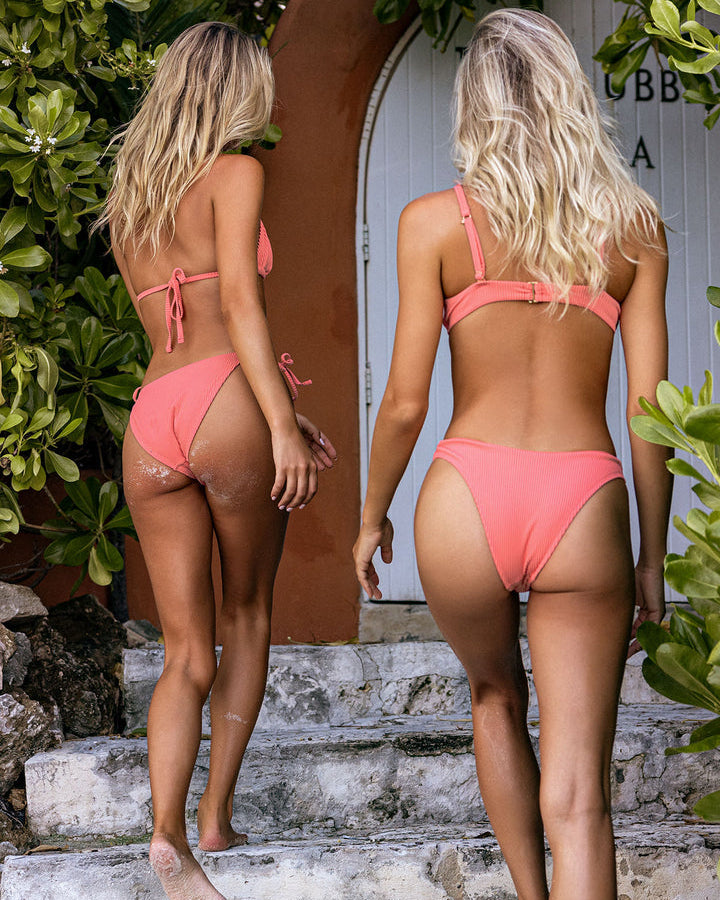
The dream bikini
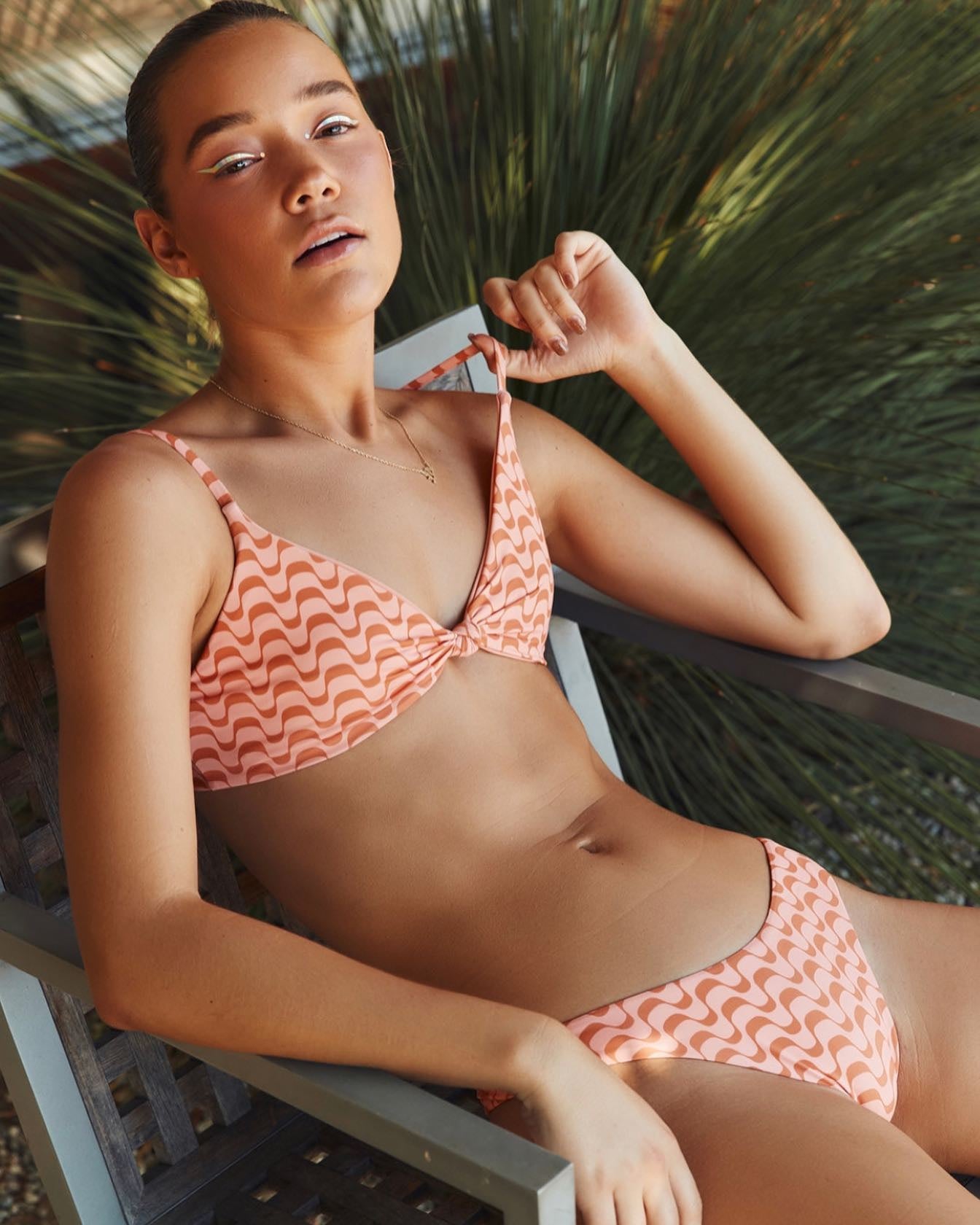
Find your dazzling two-piece bikini.
From only $60.
Gift Cards
Give the gift of Swimwear!
from $10-$250.


Sheer Lingerie
Quick Guide: Sheer Lingerie
Sheer lingerie is intimatewear made from translucent fabrics—mesh, tulle, and lace—that reveal the natural body through controlled transparency. It prioritizes lightness, sensual visibility, and soft shaping, turning your skin into part of the design rather than something to hide beneath opaque layers.
Table of Contents
Why Choose Sheer Lingerie?
Sheer lingerie is the point where fabric stops pretending to be armor and starts behaving like atmosphere. A focused sheer lingerie collection is built on one clear idea: your body is not a problem to be covered; it is the main design element. Mesh, tulle, and lace become filters, not walls—soft veils that let your natural shape, tone, and movement stay visible.
Unlike heavier everyday sets, where opacity and padding dominate, sheer lingerie leans into translucency. The coverage is there, but it is honest. You see the real outline of your breasts, the natural transition at your waist, the true curve of your hips. That honesty is where its sensual power sits. It doesn’t stage a transformation; it refines your own geometry, using lines and light rather than bulk.
On the body, sheer lingerie feels like a second skin. Fine mesh moves with you rather than against you. Tulle necklines disappear visually while quietly holding tension. Lace becomes a pattern of shadow disguised as florals or geometry. If you’ve ever put on a structured bra after wearing a soft mesh bra all day and felt the difference immediately, you already understand the appeal. Elevated styles in mesh lingerie are a transition into this world; full sheer sets commit to it.
Emotionally, sheer lingerie is disarming in the best way. The first time you see your body through a transparent bra or bodysuit, there is often a jolt: this is what I look like, without foam, without thick fabric, without disguise. Then, if the design and fit are right, something shifts. You start to see how well your own structure holds on its own. Sheer lingerie doesn’t create curves you don’t have; it frames the curves you already do.
This makes it ideal for anyone who is tired of the “push-up and pad” narrative. If you’ve outgrown the idea that sexiness equals heavy construction, sheer designs offer a different language—closer to the body, more honest, more grounded. They share some of the emotional intelligence you find in curated romantic lingerie, but with more visibility and less soft focus.
There is also a practical side. Sheer bras and bodies often sit flatter under clothing than thickly padded styles, because there is less bulk fighting your outfit’s lines. A soft mesh bra under a silk blouse, a tulle body under tailoring, a lace-and-mesh bralette under an open shirt—these combinations work because the lingerie and the clothing read as one continuous layer.
You choose sheer lingerie when you are ready for your lingerie to stop pretending and start collaborating with your real body. Not to correct it. Not to camouflage it. To reveal it intelligently, softly, and deliberately.
The Deep Dive: Science, History & Materials
Sheer lingerie looks intuitive—thin fabric, visible skin. In reality, it is one of the most technically sensitive categories to design. When you can see through the fabric, you can also see every construction decision: the seam paths, the tension distribution, the quality of the mesh, the exact placement of lace. There is nowhere for lazy engineering to hide.
1. Fabric Behavior: Mesh, Tulle & Lace
Mesh is the backbone of most sheer lingerie. It is usually a knitted synthetic with controlled stretch and recovery. In more elevated sets, similar to what you might find in refined soft mesh lingerie, the mesh has a fine handfeel, excellent rebound, and enough denier density to provide light support without losing translucency. If the mesh is too soft, cups collapse; too stiff, and the garment feels scratchy and rigid.
Tulle is a finer, more open structure, often used for illusion panels—high necklines, plunges that look structurally impossible, barely-visible straps. Tulle needs less stretch and more resilience, which is why you see it anchoring areas that must hold shape, as in designs influenced by tulle lingerie. Good tulle disappears at the edge of the skin, so what you really notice is the lace or embroidery sitting on top of it.
Lace in sheer lingerie is both aesthetic and structural. Dense motifs provide support; open motifs provide flexibility and breathability. Premium lace—especially styles akin to those in french-lace-lingerie—is engineered to stretch where needed and stay stable at anchor points such as underbust and neckline edges.
2. Optical Science: How Sheerness Shapes the Eye
Sheer fabrics do not just reveal; they modulate. Light passes through mesh, reflects off skin, and then passes back through the fabric, softening edges and smoothing small surface variations. This means:
- Soft mesh can visually even out skin tone across the bust and torso.
- Sheer panels at the waist create a subtle narrowing effect without squeezing.
- Layered lace over mesh creates depth, making the torso appear more dimensional and sculpted.
In contrast to the sharper shadow-sculpting of black-focused styles like black-sheer-lingerie, classic sheer lingerie tends to create a more diffused, less aggressive contour.
3. Pattern Geometry: Seams Without Padding
Without foam or heavy lining, seams do all the shaping work. In sheer bras and bodies, you’ll see:
- Vertical seams that lift the bust from the base.
- Diagonal seams that redistribute tissue from the side toward the center.
- Horizontal seams that support fullness and prevent downward collapse.
This multi-part cup engineering is similar in logic to more structured pieces in sophisticated-lingerie, but here every seam is visible, so the geometry needs to feel intentional, not chaotic.
4. Single vs. Double Layering
Some sheer lingerie uses a single layer of fabric for maximum transparency; others use doubles or strategic linings. Single layers offer more sensual reveal but provide less support and nipple coverage. Double layers—mesh on mesh, tulle under lace—add subtle opacity and increase stability, closer in effect to the gentle control found in elevated luxury-lingerie.
5. Edge Finishing: Comfort on Naked Skin
Because sheer pieces often touch more of the bare body directly, finishing is critical. You’ll see:
- Folded edges that hide raw material inside a soft envelope.
- Picot or narrow elastics that grip lightly without biting.
- Bonded edges for a clean, almost invisible finish along necklines or leg openings.
Rough stitching or hard elastics that might be tolerable on thicker fabrics become immediately obvious here. Well-made sheer sets borrow edge philosophies from finer delicate-lingerie pieces—everything must feel intentional on the skin.
6. Sheer Lingerie & Support
There is a misconception that sheer equals “no support.” In reality, support is about tension distribution, not opacity. A 3-part sheer cup with a stable underband and correctly fitted band can support a full bust effectively. The absence of foam or thick lining simply means you see that engineering: the seams, the strap angles, the way mesh or lace stretches and returns. High-end sheer bras often share structural logic with pieces from the world of transparent-lingerie, but with more deliberate design around daily wearability.
7. Historical Shift: From Hidden to Honored
Historically, lingerie sat under clothing as a purely functional layer or as overtly theatrical boudoir costume. Sheer fabrics changed that. As mesh and tulle became stronger and more comfortable, designers started treating lingerie as a visible, intentional part of the outfit, not a secret. This is where sheer styles intersect heavily with modern elegant-lingerie: they are made to be seen, at least in glimpses, and they assume you are not ashamed of that.
8. Emotional Mechanics
Technically, sheer lingerie is about thin fabrics and visible skin. Emotionally, it is about recalibrating what “dressed” means. It offers a middle ground between opaque security and fully open exposure. You are still wearing lingerie. You still feel held. But you can see your body clearly enough that the garment never becomes a disguise. That honesty is a design decision as much as any seam or fabric choice.
Comprehensive Feature Breakdown
Sheer lingerie is not one silhouette—it’s a vocabulary. Once you understand the main features, you can choose pieces that match your body, your comfort level, and the way you want to be seen.
- Illusion Necklines & Panels: Fine tulle or mesh creates plunges, high necks, or side panels that look structurally impossible. These illusion details give sheer pieces the refined polish you see in select elegant-lingerie designs, but with more skin and less foam.
- Soft, Unlined Cups: Unlined mesh or lace cups allow your natural breast shape to show. They can be subtle and romantic, similar in emotional tone to romantic-lingerie, or more sculptural depending on seam placement. The key is that there is no foam between your body and the fabric.
- Sheer Bodysuits & Teddies: Sheer bodies smooth the torso, highlight the waist, and create a continuous line from bust to hip. They are more architectural than soft bralettes from feminine-lingerie, but far lighter than shapewear, making them ideal for layering under tailoring or dresses.
- Black Sheer Statements: Black mesh and lace increase contrast, sharpening the silhouette and creating stronger shadow-play. This is where sheer aesthetics overlap with the moodier power of black-sheer-lingerie: same transparency, more emotional voltage.
- Sheer Babydolls & Skims: Floaty, semi-transparent babydolls skim the body without clinging, diffusing your shape in motion. They borrow gentle volume from sheer-babydoll silhouettes while maintaining a higher degree of visibility than opaque nightwear.
- Fine-Edged Briefs & Thongs: Sheer briefs and thongs use mesh or lace across the hips and back, avoiding heavy seams that cut the line of the butt. When executed with the same finesse as premium delicate-lingerie, they feel like a whisper rather than a waistband.
How to Choose: Sheer Lingerie vs. Alternatives
Sheer lingerie intersects with a lot of other aesthetics, but it has its own core identity: visible fabric, visible body, minimal disguise. Understanding the differences helps you choose the right category for your mood and your boundaries.
Sheer Lingerie vs. Barely-There Lingerie
barely-there-lingerie reduces fabric as far as possible—string backs, micro fronts, tiny coverage zones. Sheer lingerie may cover more surface area, but much of that coverage is translucent. If you want to feel almost naked with just the suggestion of fabric, go barely there. If you want to feel held in a garment that still lets your body show clearly, go sheer.
Sheer Lingerie vs. Revealing Lingerie
revealing-lingerie is exposure-led: open cups, cut-outs, explicit windows. Sheer lingerie, on the other hand, can technically cover everything while still being very visible. It’s the difference between being exposed by absence and being exposed through a veil. If you want skin completely uncovered in specific zones, choose revealing. If you want your whole body visible but softened by fabric, choose sheer.
Sheer Lingerie vs. See-Through / Transparent / Clear Lingerie
see-through-lingerie, transparent-lingerie, and clear-lingerie push visibility to the limit—often using ultra-fine fabrics that read as “naked plus texture.” Sheer lingerie sits slightly earlier on the spectrum. It uses translucency in a more balanced way: some areas more transparent, some areas more diffused, some even lined. If you want maximum illusion of nudity, go fully transparent; if you want a softer, more wearable take, go sheer.
Sheer Lingerie vs. Mysterious & Dark Aesthetics
Collections like mysterious-lingerie and dark-lingerie use shadow, tone, and emotional atmosphere as their core. They may be sheer, but the primary focus is mood. Sheer lingerie can absolutely lean in that direction—especially in deeper colors—but its defining trait is the fabric’s transparency, not the symbolism. If your priority is the way light moves across your skin, sheer is the category; if your priority is story and mood, step into dark or mysterious lines.
Sheer Lingerie vs. Gothic Aesthetics
gothic-lingerie blends dark lace, dramatic straps, and baroque motifs. Many gothic pieces do use sheer panels, but the visual focus remains on the strapping and motifs. Sheer lingerie brings the skin forward and lets fabric recede. When you want the body itself to be the central pattern—rather than ornate lace or hardware—choose sheer.
Sheer Lingerie vs. Bold & Fashion-Forward Styles
bold-lingerie prioritizes strong shapes, colors, and statement details. You can absolutely find sheer in bold lines, especially when designers use mesh to carve sharp silhouettes. But classic sheer lingerie tends to stay closer to skin tone, subtle color, or black/neutral palettes, emphasizing the interplay of body and fabric rather than pure graphic effect.
Sheer Lingerie vs. Sophisticated / Luxury Construction
Sheer lingerie often borrows construction sophistication from elevated sophisticated-lingerie and the material quality of luxury-lingerie. The difference is that sheer pieces let you see that engineering at work. If you love complex seaming, lace placement, and fine finishing—and you also want to see your real body through it—sheer is where those worlds meet.
Expert Care Instructions
Sheer lingerie depends on fabric clarity, elastic recovery, and stable seams. If you damage any of those, you lose both support and visual impact. Care is less about complicated rituals and more about consistency and respect for how these fabrics behave.
1. Hand Wash as Your Default
Sheer mesh, tulle, and lace do not tolerate rough treatment. Hand wash in cool water with a lingerie-safe detergent. Fasten hooks, loosen sliders, and turn pieces inside out. Gently agitate by pressing, not scrubbing. Focus on zones that absorb sweat and oil: underbust, band, gusset, and strap roots.
2. Avoid Bleach, Brighteners & Fabric Softeners
Bleach and optical brighteners weaken delicate yarns and can cloud translucent fabrics. Fabric softeners leave a film that dulls mesh and reduces elasticity. If you want your sheer sets to maintain that clean, light-catching quality—especially pieces that overlap visually with black-sheer-lingerie—keep your products simple: gentle detergent, cool water, nothing else.
3. Rinse Thoroughly
Detergent residue sits between the fibers and can make mesh look hazy or feel stiff. Rinse until water runs completely clear. Pay attention to thicker lace motifs and underband tunnels, where soap tends to hide.
4. No Wringing, Ever
Twisting sheer fabrics stresses seams and distorts mesh. Instead, press excess water out between two towels, reshaping cups and panels lightly with your hands as you go.
5. Dry Flat, Away from Heat and Sunlight
Heat breaks down elastane and fades color; direct sun can discolor pale mesh and fade dark tones unevenly. Lay garments flat on a towel or drying rack. Avoid hanging wet sheer bras by their straps; gravity will stretch them over time.
6. Store with Space and Protection
Do not crush sheer pieces beneath heavy garments. Nest soft cups, fold bodies along seam lines, and keep delicate lace away from zippers or rough fabrics. If you own highly refined pieces also suited to the world of artisan-lingerie, store your best sheer sets in the same way—treated as lasting garments, not disposable accessories.
Frequently Asked Questions
Is sheer lingerie only for certain body types?
No. Sheer lingerie is body-revealing, not body-restrictive. It works on small busts, full busts, soft midsections, defined waists, narrow hips, wide hips—everything—if the pattern is correct. Because it doesn’t rely on padding or heavy foam, it adapts to your actual shape instead of forcing you into a preset silhouette. The key is finding cup cuts and brief shapes that follow your anatomy rather than fighting it.
Is sheer lingerie always very exposing?
Not necessarily. Exposure is a dial, not a switch. You can choose fully sheer cups and backs, or you can choose designs with lined lower cups, more opaque lace, or double-layer mesh. Sheer lingerie can sit close to the gentler, dream-like visibility of pieces that resemble romantic-lingerie, or it can move toward the bolder transparency of see-through-lingerie. You decide where on that spectrum you live.
Can sheer lingerie be supportive for a fuller bust?
Yes. Support comes from band tension, cup seaming, and strap placement—not from opacity. A 3- or 4-part sheer cup, with reinforced underband and well-graded wings, can provide excellent lift and shaping. Many full-busted women find sheer bras more comfortable because there is less bulk trapping heat and less rigid foam dictating shape.
Will sheer lingerie show under clothing?
It depends on the garment. Under a thin white T-shirt, a sheer black bra will be visible. Under darker knits, structured blouses, or layered outfits, sheer bras can disappear more cleanly than thick, padded styles. Sheer bodies and slips work especially well under dresses, smoothing lightly without adding volume.
Is sheer lingerie comfortable enough for daily wear?
Yes—if it’s cut and sized correctly. Soft mesh cups, flexible lace, and light bands can feel far less intrusive than stiff, molded cups. Many people who switch to well-made sheer bras from padded ones find they stop “noticing” their bra halfway through the day in the best possible way.
What if I feel self-conscious seeing my body through sheer fabric?
That reaction is normal, especially if you’re used to styles that conceal and reshape. One approach is to introduce sheerness in stages: start with partially lined cups or sheer backs, move to full-sheer cups in a familiar silhouette, then explore more transparency if you choose. Let your nervous system adjust to visibility gradually. Sheer lingerie is not a test you have to pass; it’s a tool you can use when and if you want to.
How do I choose my first sheer lingerie piece?
Start with a silhouette you already trust: a balconette, a plunge, or a bralette shape that you know works for you. Then try it in a sheer version—mesh upper cup, lace-only cup, or fully unlined design. Pair it with briefs that match your usual rise and coverage so you’re only changing one variable at a time: opacity.
Does sheer lingerie stretch out faster than opaque styles?
Not inherently. High-quality mesh and lace are robust if cared for correctly. What shortens their life is heat, rough handling, and poor storage. If you treat sheer lingerie with the same discipline you’d apply to your most refined sets, it will hold shape, color, and clarity for a long time.
Can sheer lingerie be both sensual and understated?
Absolutely. Sheer does not automatically mean loud. A soft mesh bra in a neutral tone, a simple sheer body under a blazer, or a lightly transparent lace slip can feel quietly charged without screaming for attention. This is where sheer lingerie overlaps with the calm refinement of elegant-lingerie—there is sensual charge, but the styling stays controlled.
Is sheer lingerie appropriate as outerwear layering?
Yes, in considered contexts. A sheer bodysuit under a suit, a lace-and-mesh bralette under a semi-open shirt, or a sheer slip under a blazer can all work, as long as you’re comfortable with the level of visibility. The more you treat your sheer pieces as legitimate garments rather than private costumes, the more easily they integrate into your wardrobe.


