




“We believe in two things: the pursuit of quality in all we do, and looking after one another. Everything else should just take care of itself.”
Summer shop
Fresh styles. Fresh colors.
The countdown for summer has started.
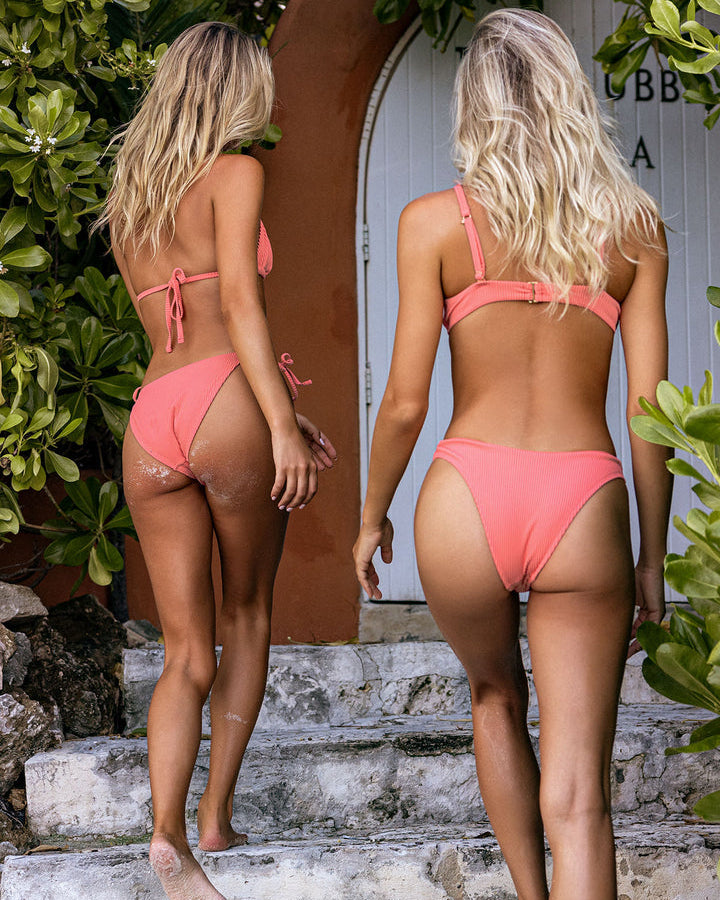
The dream bikini
Find your dazzling two-piece bikini.
From only $60.
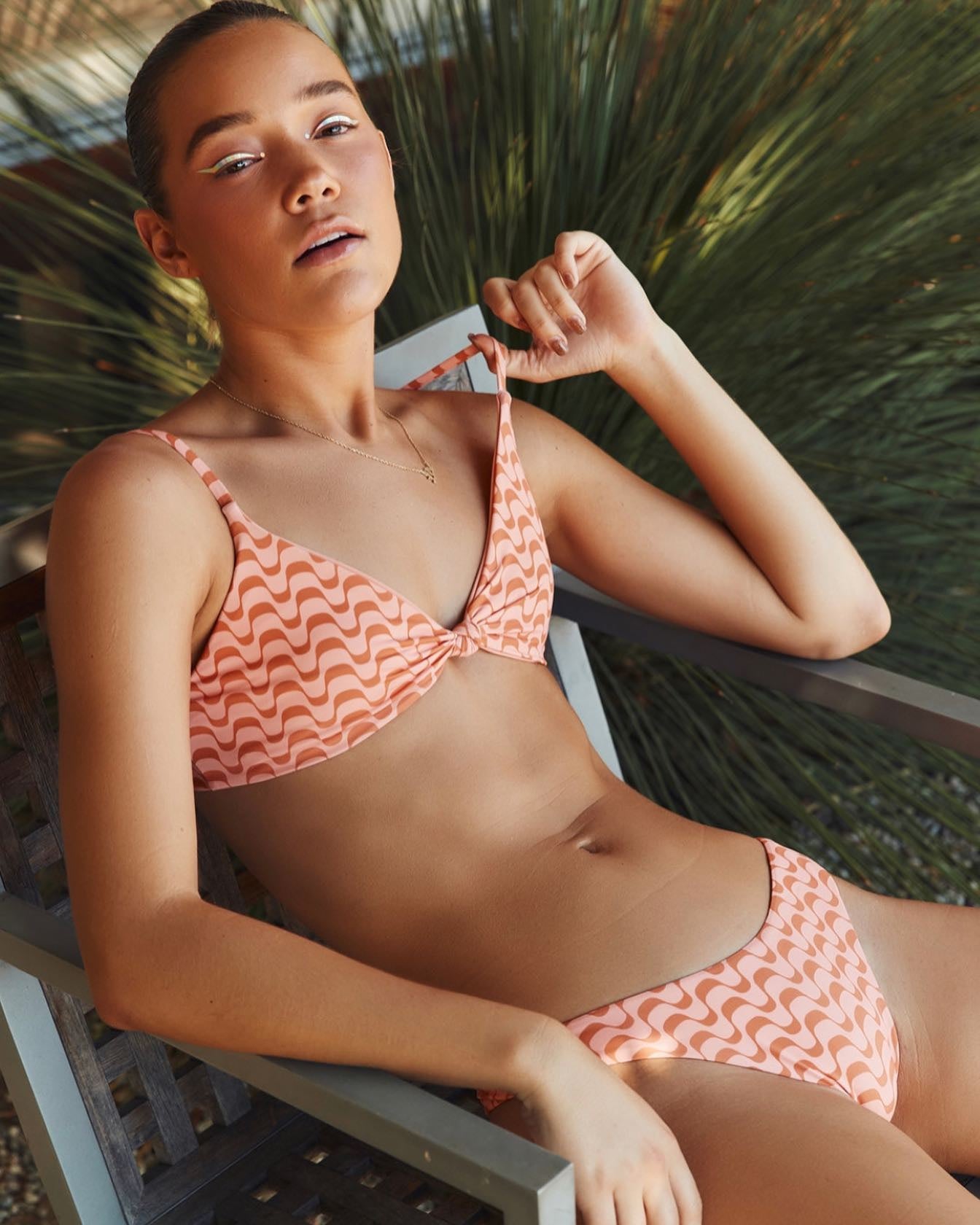
Gift Cards
Give the gift of Swimwear!
from $10-$250.


Tulle Lingerie
Quick Guide: Tulle Lingerie
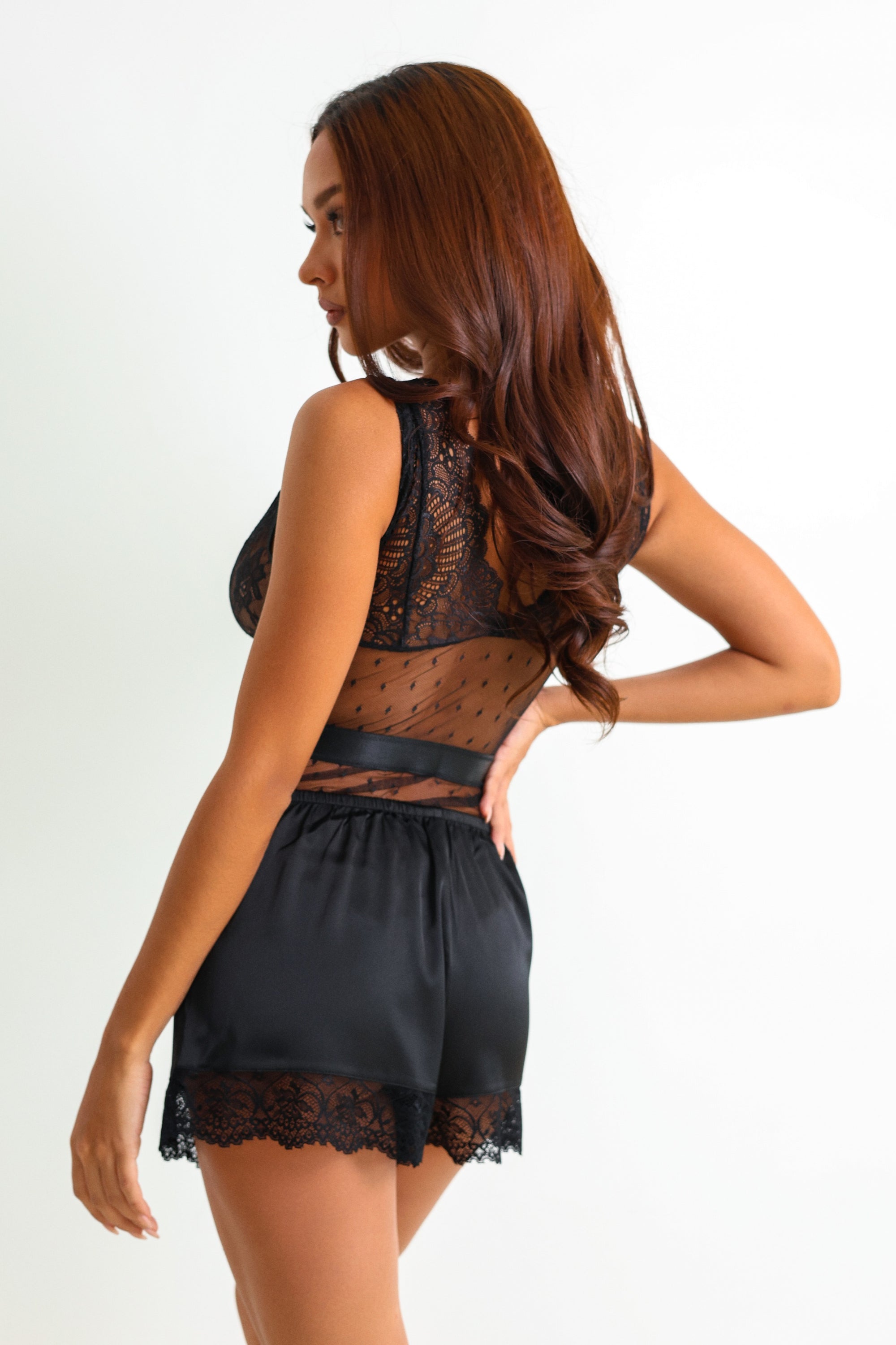
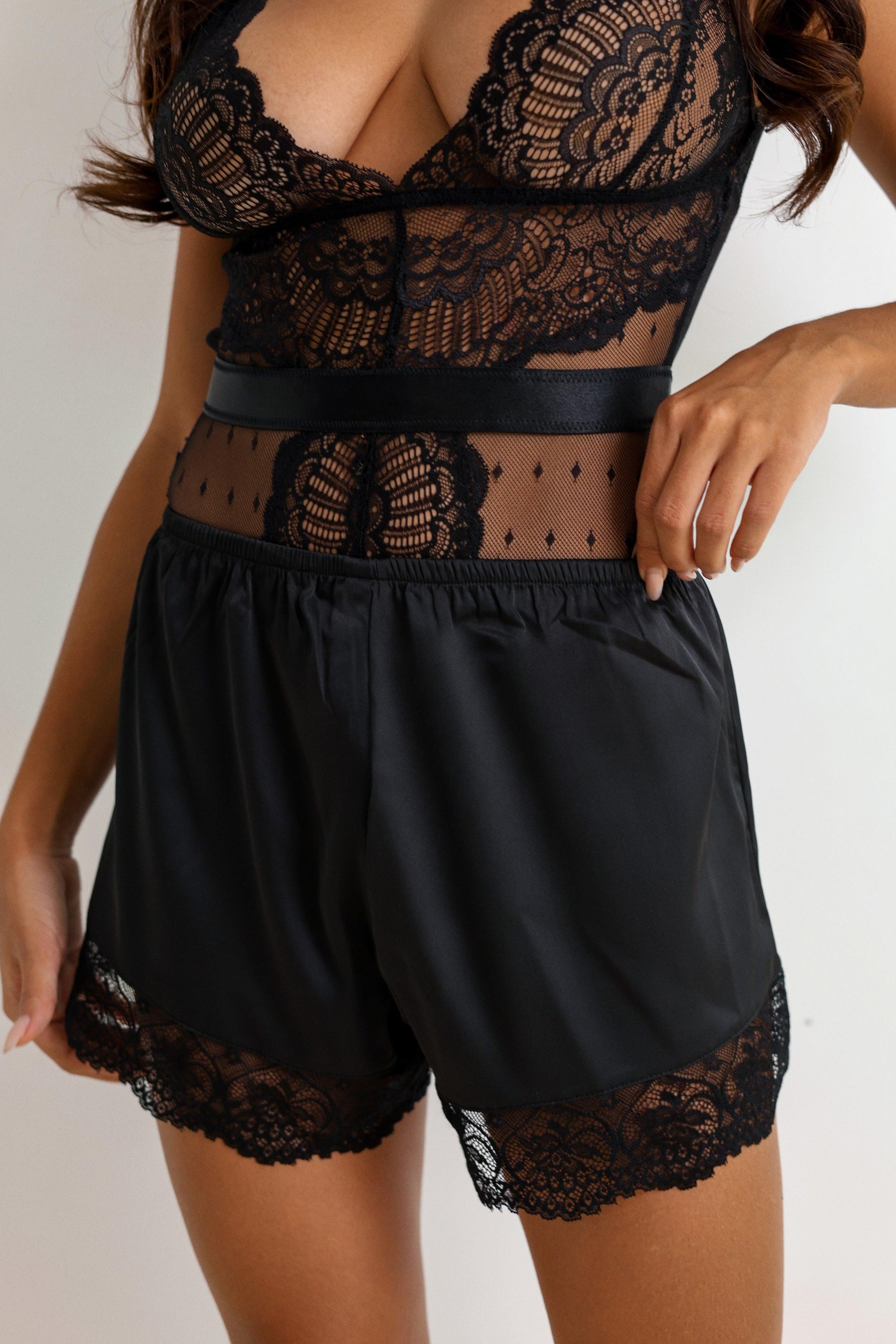
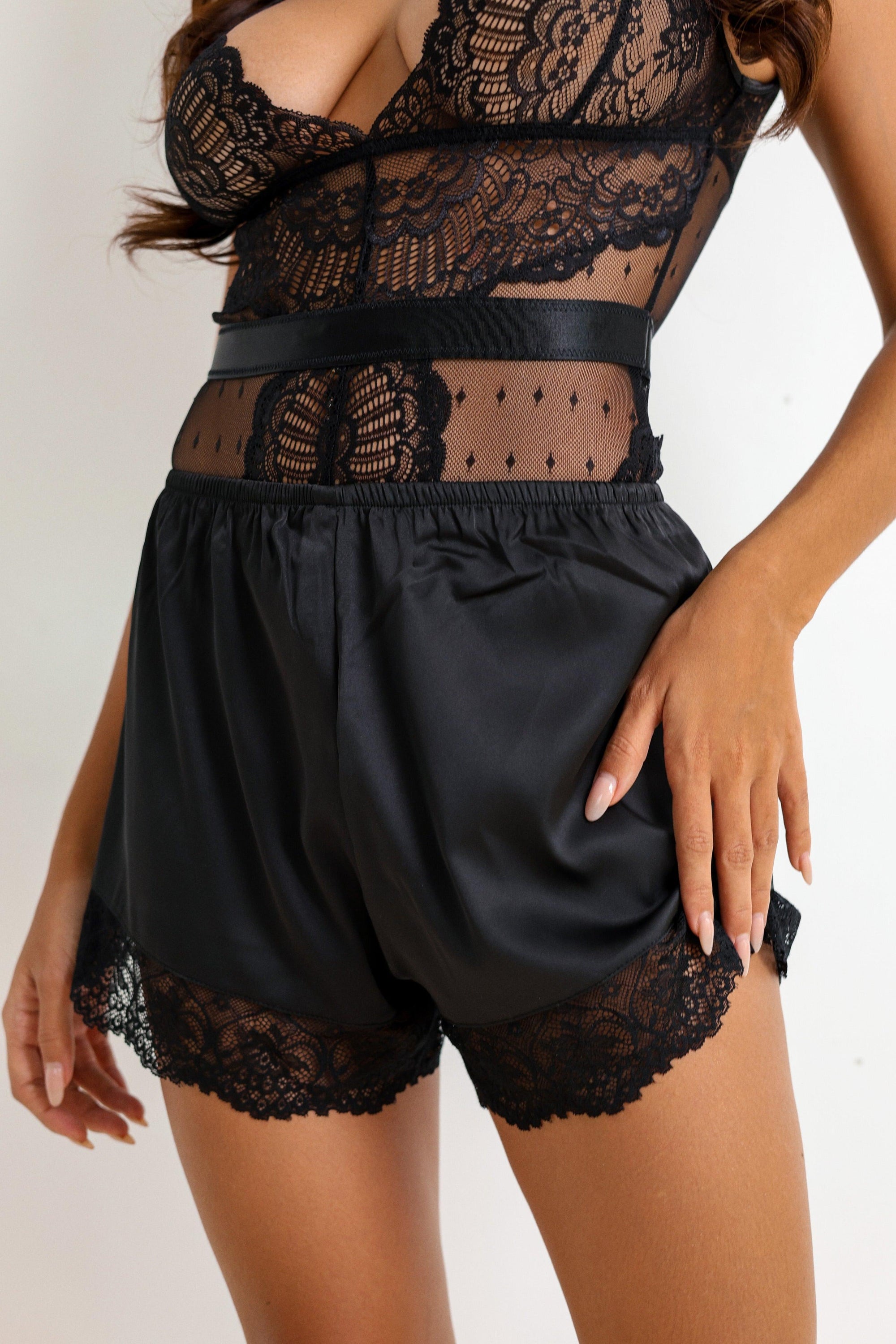
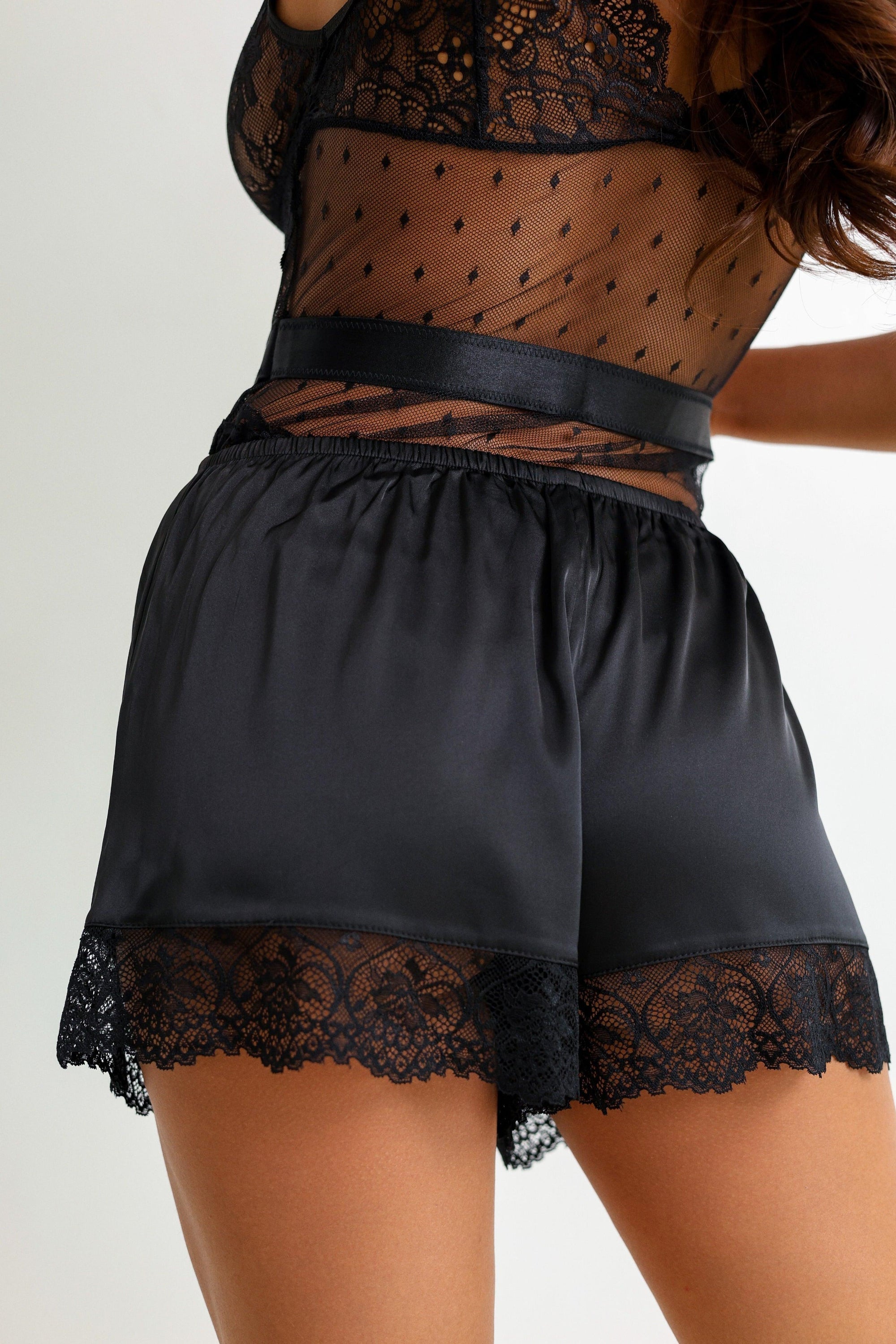
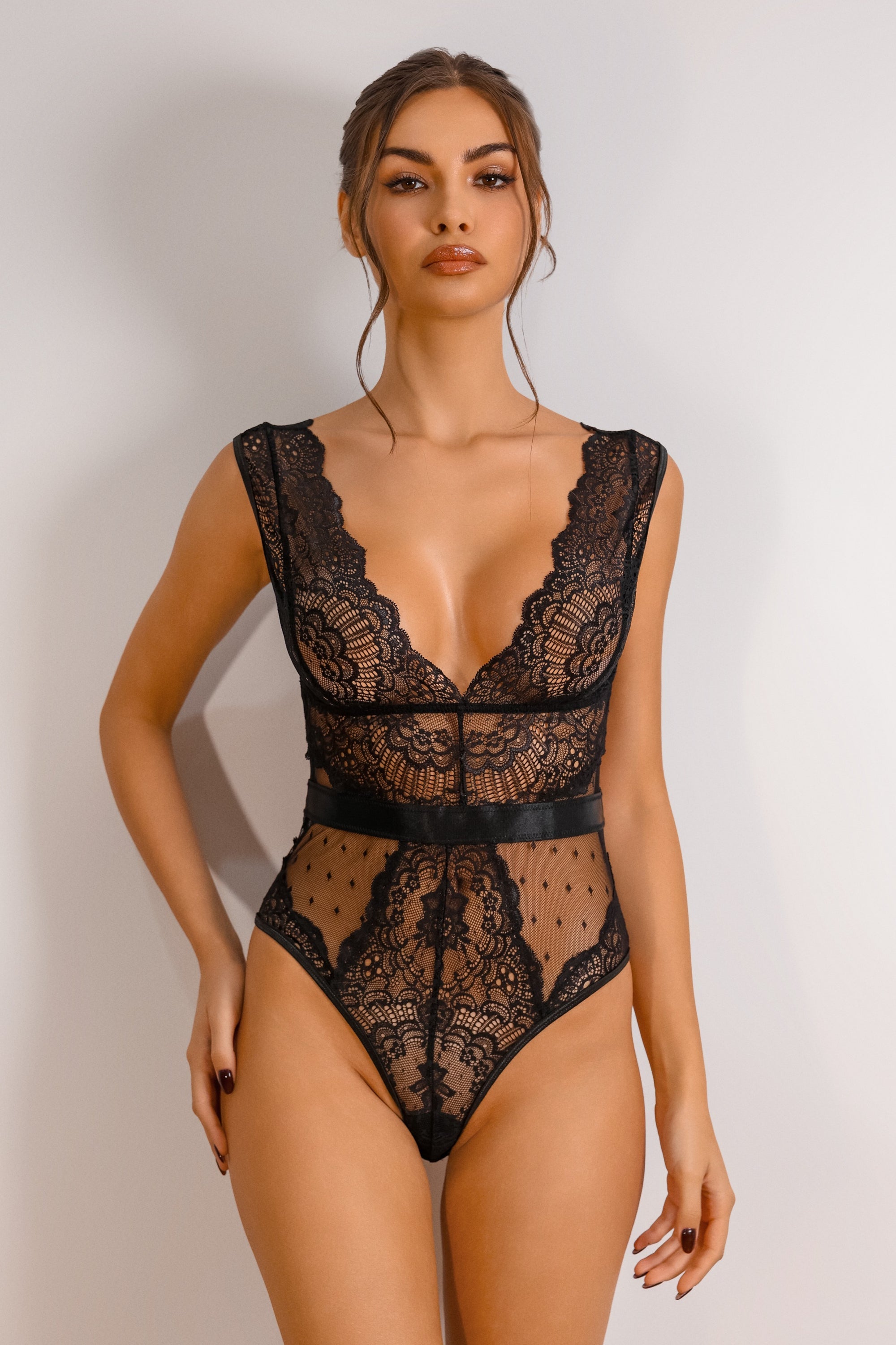
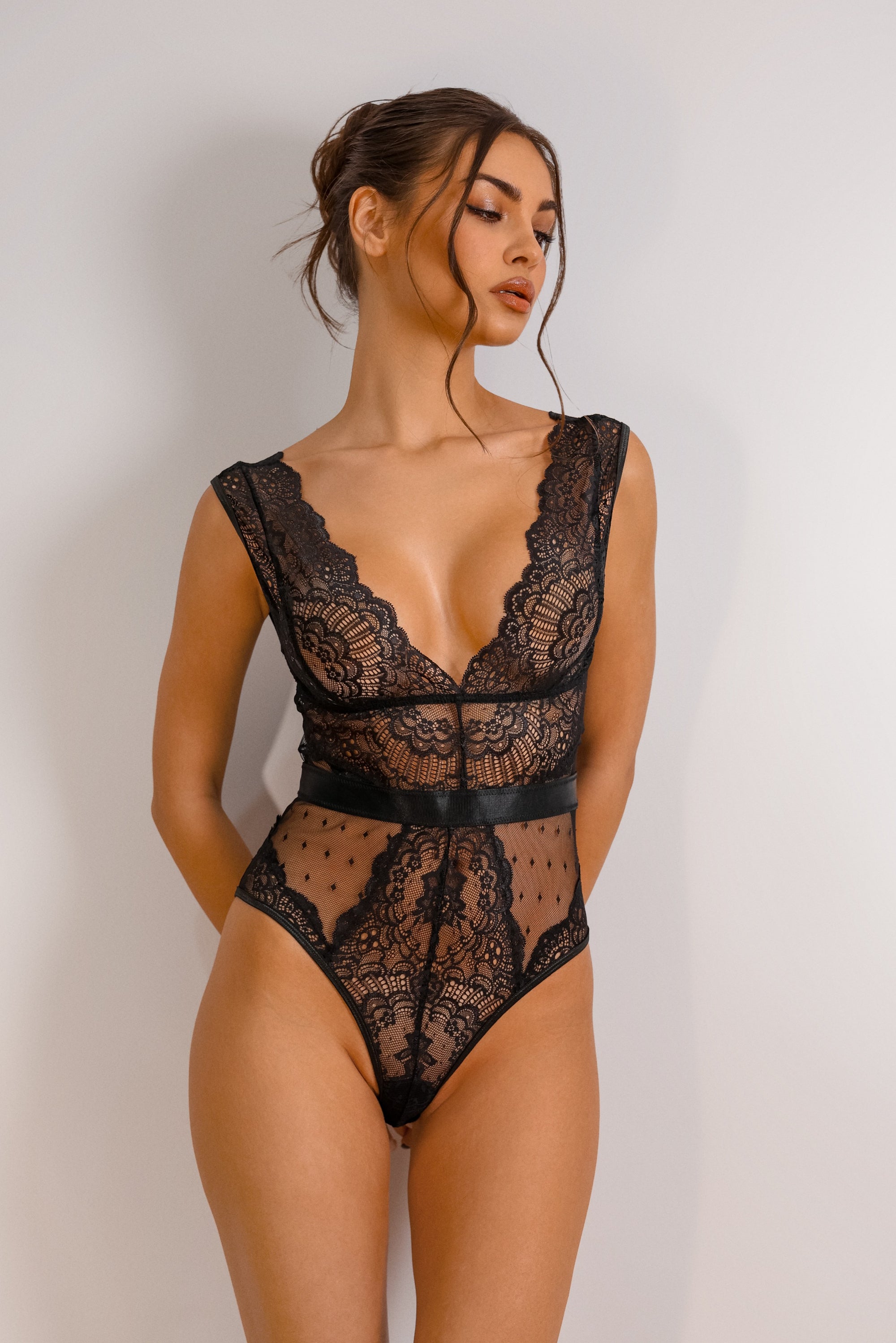
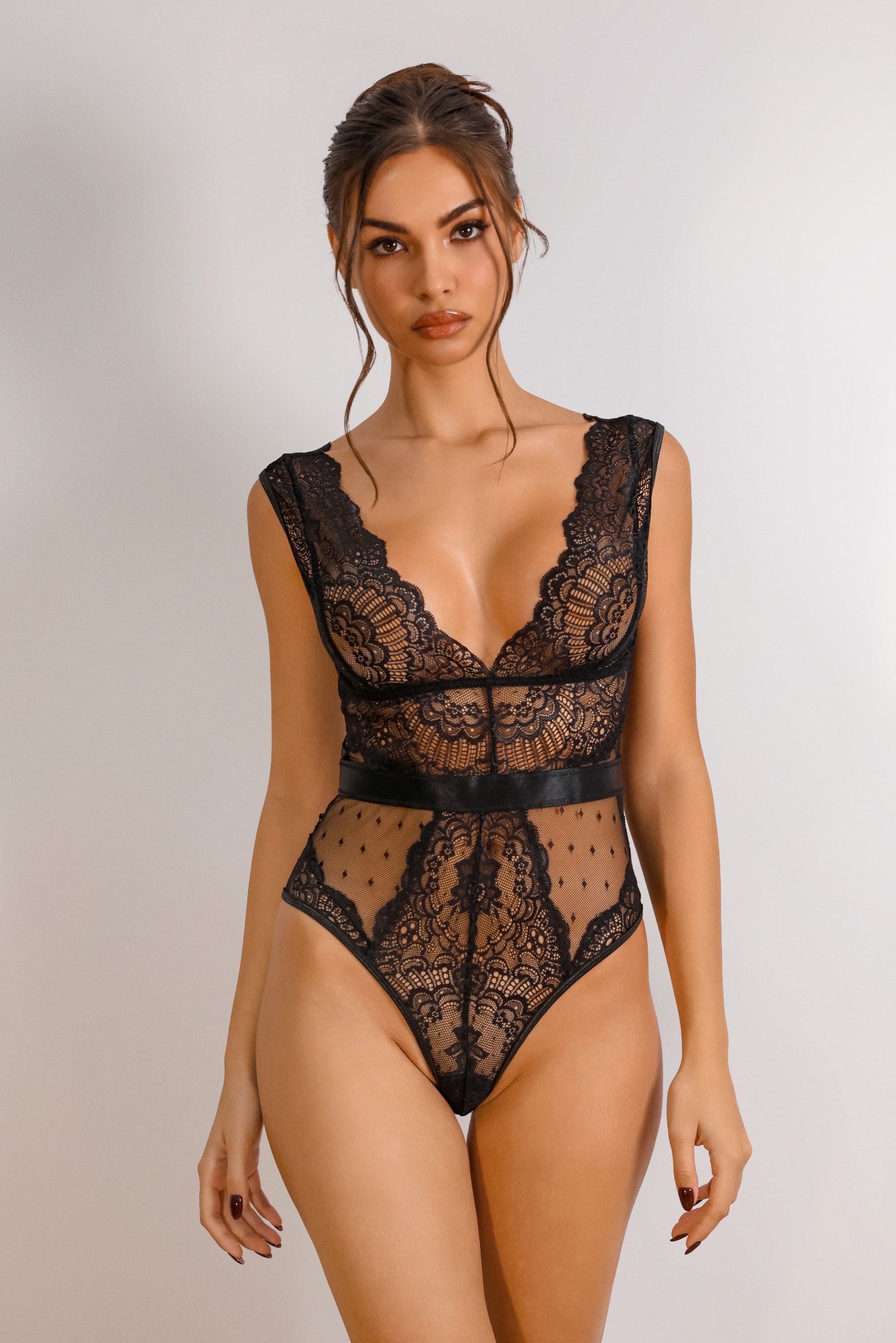
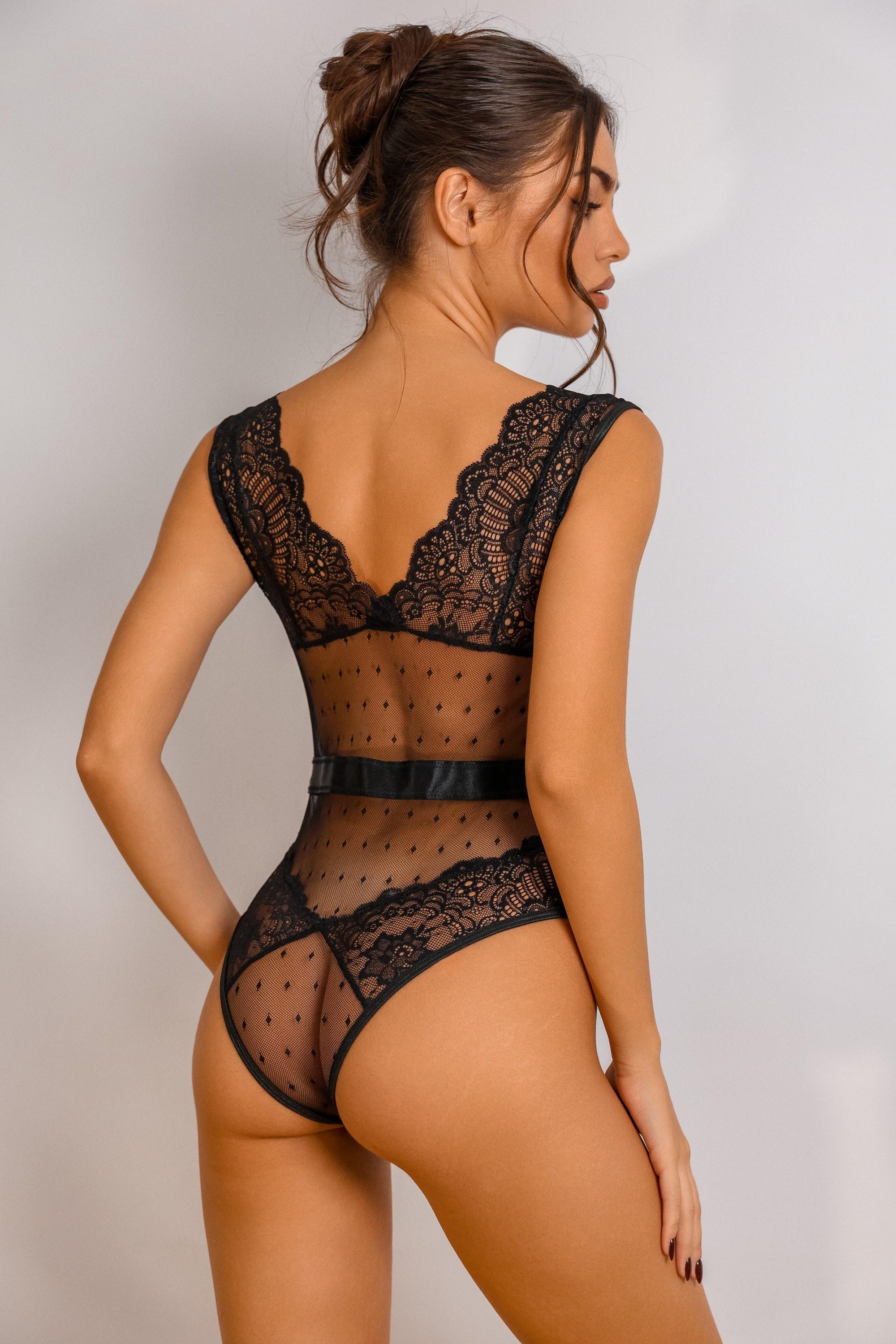
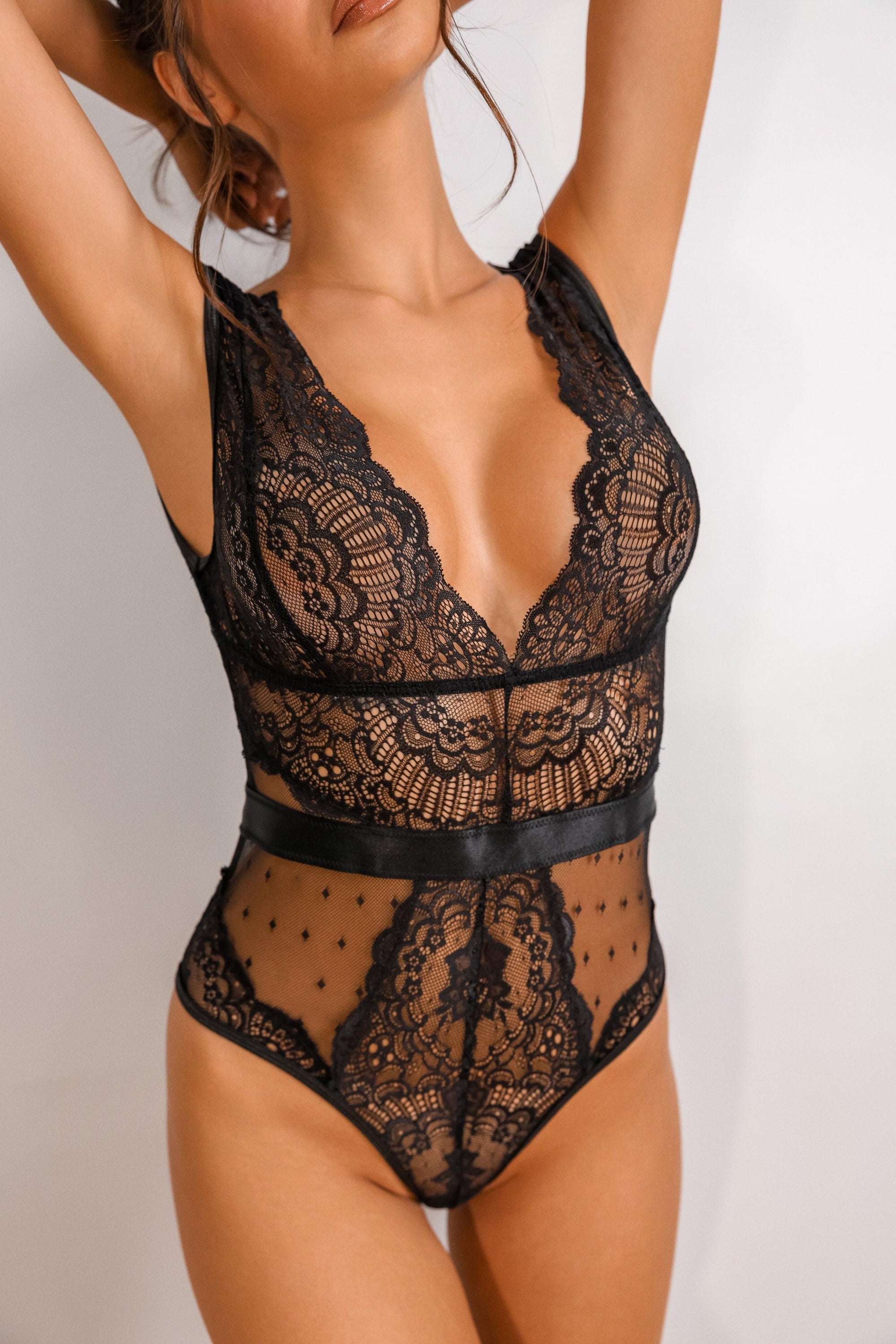
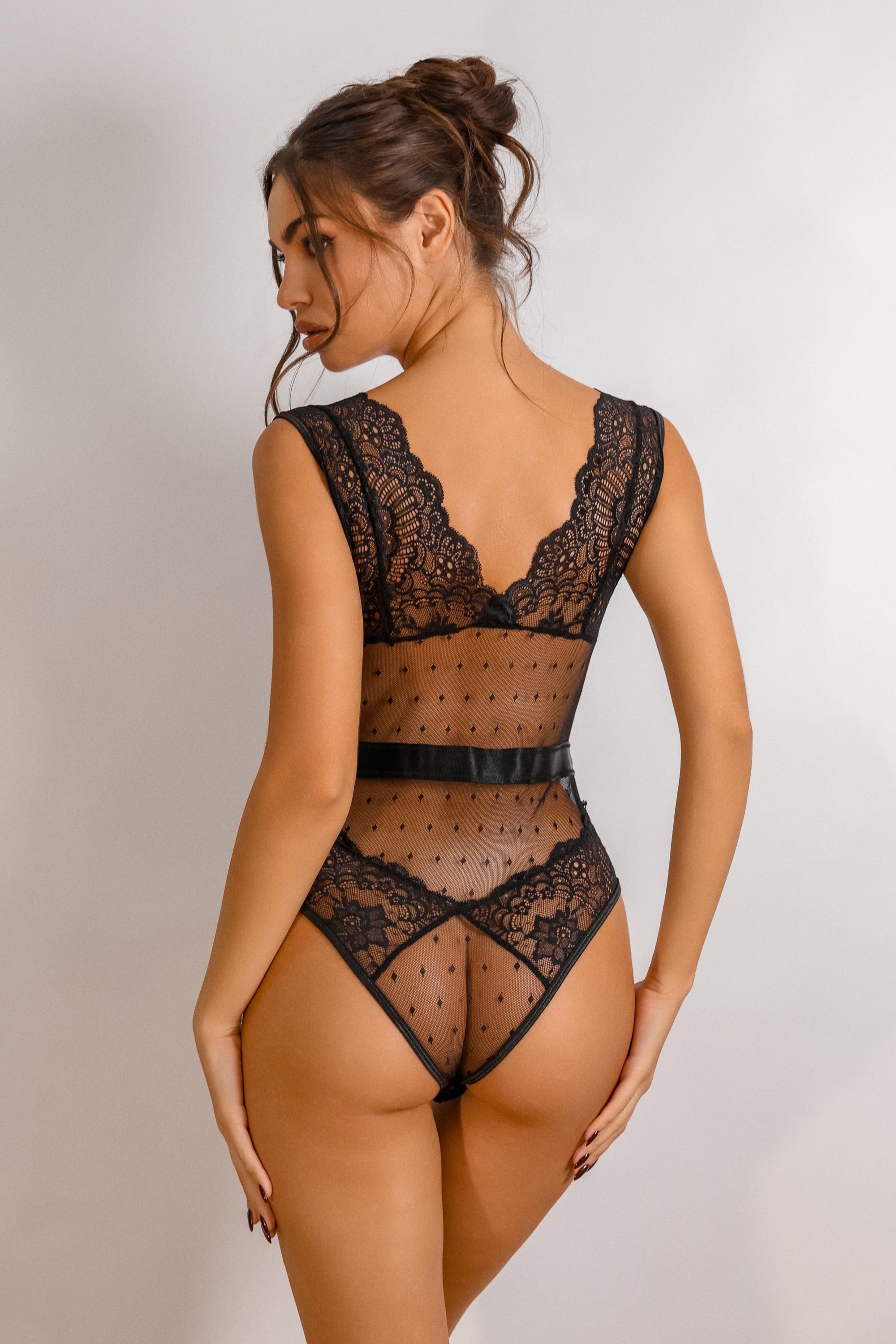
Tulle lingerie is ultra-light, semi-sheer intimatewear crafted from fine netted fabric that floats over the skin while subtly shaping your curves. It creates ethereal volume, soft transparency, and romantic movement, blending sensual visibility with surprisingly precise support and body-contouring.
Table of Contents
Why Choose Tulle Lingerie?
Tulle lingerie is what you reach for when you want lingerie to feel like air—but still do real work on your body. The fabric is a fine, netted structure that traps a whisper of volume and light around your skin, creating an almost cloud-like aura while quietly holding shape and line underneath. When cut correctly, tulle lingerie does something unique: it makes you feel simultaneously dressed and unveiled.
The appeal starts with sensation. Tulle is lighter than most meshes and more structured than typical knits. On your body, that translates to a gentle, hovering feel instead of a tight wrap. A tulle bra or babydoll moves with your breathing rather than resisting it, which is why pieces in thoughtfully curated tulle-lingerie ranges feel so different from basic synthetics. They skim instead of cling, soften instead of flatten, and create a subtle halo around your curves.
Visually, tulle lingerie is about softness with definition. The hexagonal or diamond-shaped holes of the tulle diffuse your skin tone just enough to create a veil, not a mask. Your natural architecture—collarbones, waistline, hip line—remains visible, but the hard edges are blurred. In designs that overlap with romantic lingerie, this effect is amplified with gathered cups, flutter sleeves, and floaty skirts that move when you turn your head, not just when you take a step.
Tulle is also a powerful framing tool. A tulle ruffle along the neckline, a softly gathered panel over the stomach, or a layered tulle skirt over a fitted brief can redirect your eye to what you want to emphasize. This is especially helpful if you’re sensitive about your midsection or upper thighs: rather than hiding, tulle lingerie creates a soft focus, using movement and transparency to make those areas feel less harshly defined. It’s a structural kindness built into the fabric itself.
Unlike purely decorative pieces, well-engineered tulle lingerie respects fit. Designers often borrow techniques from delicate lingerie and feminine lingerie collections: double-layered tulle in key zones, curved seaming to guide the bust, and reinforced underbust panels that distribute weight without adding bulk. You get the softness and float you want without sacrificing crucial stability at the band or strap.
Tulle lingerie also layers effortlessly into your wardrobe and your existing lingerie drawer. A soft tulle bralette under an oversized knit, a tulle babydoll over matching briefs, or a tulle skirted suspender with a more structured lace bra from an elegant lingerie edit—these combinations allow you to calibrate how ethereal or grounded you want to feel. Because tulle holds volume without heaviness, it’s one of the few fabrics that can create a strong mood without overwhelming your body.
Ultimately, you choose tulle lingerie when you want to move away from hard lines and static shapes. It’s the fabric you pick for evenings when you’d rather be surrounded than gripped, when you want your lingerie to respond to the air in the room as much as to your body. It convinces you that softness can still be intentional, and that comfort and fantasy can exist in the same piece.
The Deep Dive: Science, History & Materials
Tulle looks simple—just a fine net—but its construction is technically demanding, and every design decision changes how it behaves as lingerie. The way tulle stretches, drapes, and recovers is determined by three main factors: fiber content, yarn thickness, and net geometry.
Fiber Content. Most modern tulle used in lingerie is made from polyamide (nylon) blended with elastane (spandex). Polyamide provides tensile strength and abrasion resistance; elastane gives stretch and recoil. The percentage of elastane is usually low—often under 15%—but it’s enough to transform static net into a responsive, body-conforming fabric. In higher-end pieces that lean into couture aesthetics, tulle may include finer yarns or special finishes to soften the hand feel, especially in collections that sit close to luxury lingerie and artisan lingerie.
Yarn Thickness (Denier). Denier measures yarn weight. Low-denier tulle uses extremely fine yarns, creating an almost invisible veil that’s incredibly light but structurally fragile if used alone. Higher-denier tulle feels more substantial, with slightly more visible netting and better resistance to snagging and tearing. Tulle lingerie often combines the two: finer tulle for layered skirts and ruffles, and slightly heavier tulle for cups, waistbands, and structural panels that must withstand tension and repeated wear.
Net Geometry. Classic tulle features a hexagonal structure—think of a bee’s honeycomb, miniaturized. The size of the hexagon and the tightness of the knit determine transparency and stiffness. Smaller, tighter hexagons produce a more supportive, less transparent tulle, ideal for areas like lower cups or midriff panels that need stability. Larger hexagons create airier, more theatrical volume, which is why the skirts of pieces in sheer babydoll collections often look so ethereal while still holding their silhouette.
From a construction perspective, tulle behaves differently from standard mesh lingerie. Mesh tends to stretch more evenly in multiple directions, making it ideal for bands, wings, and body-mapping panels. Tulle often has a more defined bias: it might stretch more across one axis than the other. Skilled pattern cutters use this intentionally, placing stronger directions where they want control and softer directions where they want drape. The angle at which pattern pieces are cut off the roll (straight, cross, or bias) can dramatically change how a tulle bra cup or skirt sits once worn.
Tulle’s relationship with lace and embroidery is another technical layer. In many designs, tulle acts as an invisible scaffold for decorative elements. Embroidered tulle, for example, uses the net as a base on which motifs are stitched. The embroidery increases localized stiffness and reduces stretch, so the designer must position those motifs strategically: too much dense stitching across the cup and the piece becomes rigid; too little and the design loses definition. The best tulle lingerie—especially pieces that would sit comfortably alongside lace lingerie and see-through lingerie—balances clear, crisp motifs with enough flexible net between them for the garment to move.
Historically, tulle emerged in haute couture and bridal wear before migrating into everyday lingerie. It was prized for its ability to create volume without weight, especially in veils and layered skirts. As textile engineering progressed, softer, stretch-capable tulles became available at scale, allowing lingerie designers to borrow that cloud-like effect and translate it into bras, briefs, and nightwear. The challenge was always the same: maintain the visual lightness while meeting the mechanical requirements of garments that would actually be worn, washed, and stretched repeatedly.
In contemporary lingerie, tulle often works in tandem with other fabrics. A bra might use firm tulle for the lower cup, stretch tulle for the upper cup, and fine mesh for the band. A bodysuit might combine tulle panels with opaque microfibre to create contour and opacity in specific zones. These combinations echo the logic seen in advanced delicate lingerie and feminine lingerie designs: every panel has a job, and the choice of tulle type determines how subtly or dramatically it performs that job.
Even color interacts with tulle’s structure. Pale shades—blush, ivory, shell—tend to amplify its ethereal quality, letting it almost disappear on the skin. Dark shades, especially black, deepen the visual mesh and give tulle a moodier edge more in line with dark lingerie and mysterious lingerie. In darker tulle, the geometry of the net becomes more visible, turning the fabric itself into a graphic element across your body.
Crucially, none of this matters if the pattern and construction don’t respect the fabric’s limitations. Tulle will never behave like a heavy, rigid knit—and it shouldn’t. Its strength lies in controlled softness, in the way it can hold air and light around you. When designers honor that, and back it up with intelligent seaming and reinforcement, tulle lingerie becomes far more than a decorative afterthought. It becomes an engineered atmosphere for your body.
Comprehensive Feature Breakdown
- Ethereal Volume Without Bulk: Tulle traps air between its layers, creating volume that reads as light rather than heavy. This makes tulle lingerie ideal for floaty skirts, ruffled necklines, and layered cups that feel dreamy rather than cumbersome, especially in pieces that echo the softness of romantic lingerie.
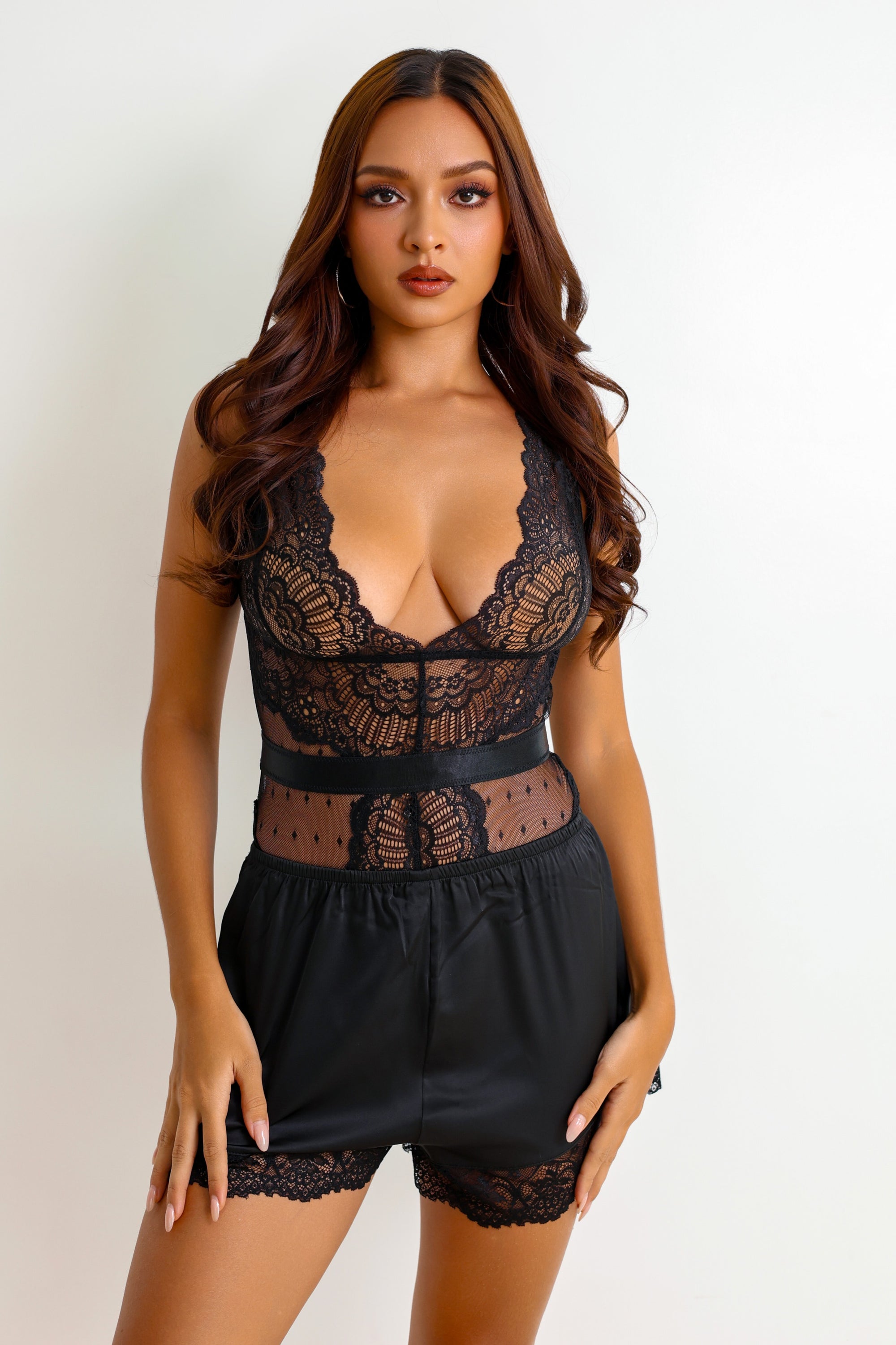
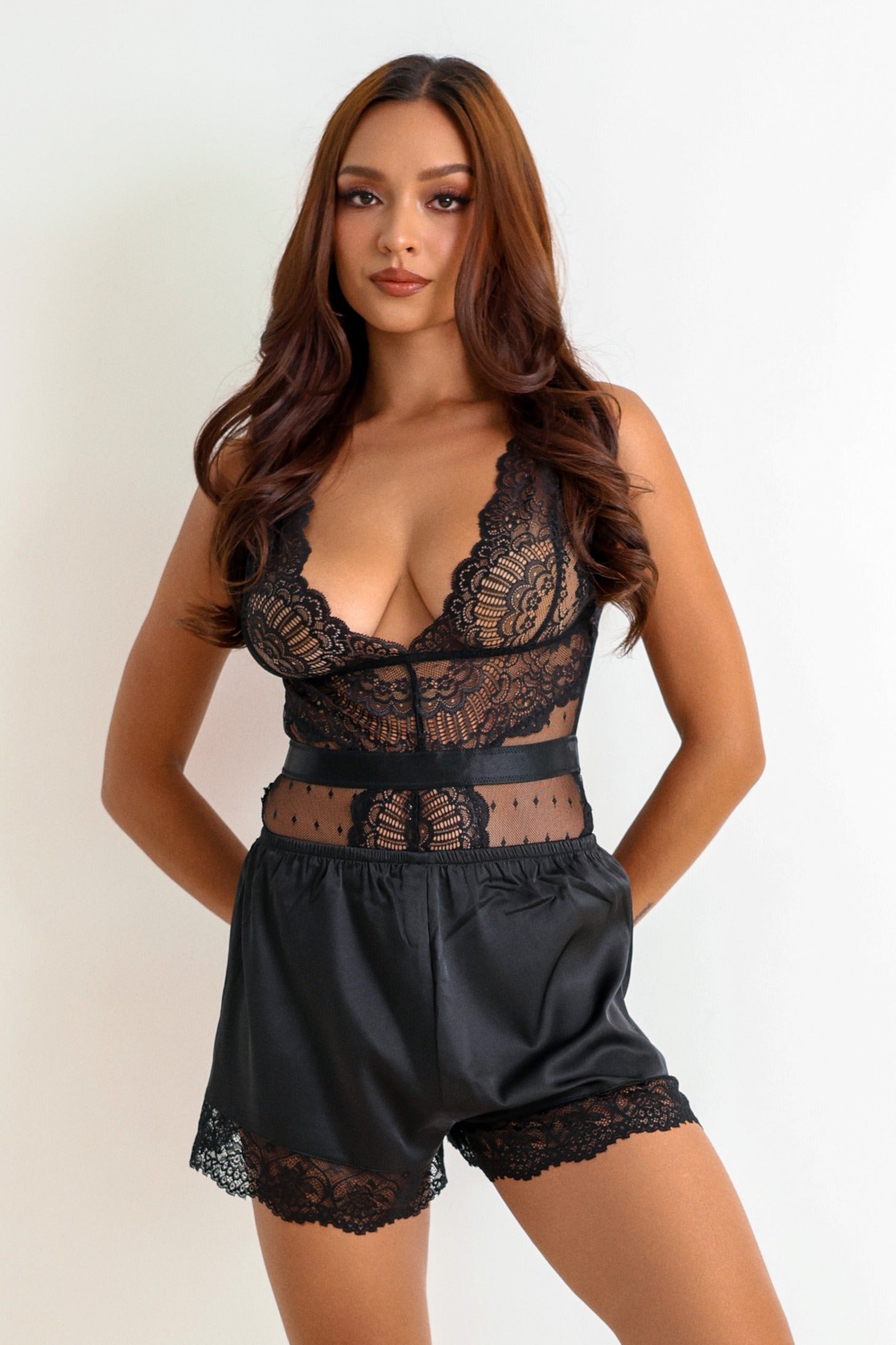
- Soft-Focus Sheerness: The netted structure of tulle blurs skin tone just enough to create a veil effect. It sits beautifully between full opacity and aggressive exposure, aligning with the nuanced transparency seen in curated sheer lingerie and barely-there lingerie ranges.
- Responsive Drape and Movement: Because tulle is so light, it responds to minimal motion—breath, a wrist turn, a shift of weight. Ruffles lift and fall, skirts swirl, straps flutter. This dynamic quality makes tulle lingerie feel alive on the body, much like the most refined pieces in alluring lingerie collections.
- Layering-Friendly Structure: Tulle layers effortlessly over mesh, lace, or opaque base fabrics. Designers use it to soften stronger lines, add diffused color, or build dimension over more supportive cores, borrowing principles from both mesh lingerie and elegant lingerie design.
- Visual Rebalancing & Soft Contouring: Gathers, flounces, and tulle panels can visually rebalance proportions—adding softness over the stomach, creating flutter over the shoulders, or lengthening the leg line. When thoughtfully placed, this contouring works especially well for those who want sensuality without feeling overexposed, similar in spirit to the comfort-centric shaping in delicate lingerie.
How to Choose: Tulle Lingerie vs. Alternatives
Tulle lingerie sits at a fascinating intersection: more sculptural than pure mesh, softer and more voluminous than most sheers, and far lighter than traditional opaque fabrics. Understanding how it compares to other lingerie categories helps you select the right pieces for specific moods and purposes.
Tulle vs. Mesh Lingerie. Mesh is typically denser, more uniform, and more elastic in multiple directions. It hugs and smooths, making it ideal for everyday bras, briefs, and bodysuits. Tulle, by contrast, lifts away from the body, creating air and movement. If you want streamlined support under clothes, you’ll likely reach for styles akin to soft mesh lingerie. If you want a softer, more romantic effect—particularly in nightwear or more expressive sets—tulle lingerie gives you the volume and flutter mesh can’t replicate.
Tulle vs. Classic Sheer & See-Through Styles. Sheer lingerie is a broad category that can include mesh, open knits, and fine wovens. Tulle is one of the key fabrics behind the most ethereal sheer looks. Compared to the bolder transparency in see-through lingerie or the glass-clear effect of transparent lingerie and clear lingerie, tulle offers a more diffused, romantic sheer. It’s ideal when you want visibility, but softened; when you’d rather suggest shape than outline every detail.
Tulle vs. Sheer Babydolls. Many sheer babydoll pieces rely heavily on tulle for their swing and translucency. The distinction is that “babydoll” describes the silhouette—short, loose, often empire-line—while “tulle lingerie” describes the fabric. You can have tulle bras, briefs, and bodysuits that function as real underwear, not just nightwear. If you’re looking for something to wear under clothes as well as in the bedroom, prioritize tulle pieces with proper bands, gussets, and seaming over purely voluminous babydoll cuts.
Tulle vs. Bold, Edgy Designs. Collections like edgy lingerie and alternative lingerie lean into harnesses, cutouts, and strong hardware. Tulle can absolutely live in that world—think sharply cut tulle bodysuits or paneled tulle bras—but by nature it tends to read softer and more romantic. When combined with bolder elements, tulle becomes a counterpoint: a soft cloud around sharper lines. If you love a rebellious aesthetic but want to keep some softness, choose designs where tulle diffuses the impact of straps and hardware.
Tulle vs. Dark, Gothic & Mysterious Aesthetics. In darker palettes, tulle takes on a different energy. Black or deep-toned tulle, especially in gothic lingerie and dark lingerie styles, feels like smoke on the skin—moody, shadowy, more dramatic. The net’s geometry becomes part of the visual language, casting subtle patterns across your body. Compared to the high contrast of opaque panels or leather, tulle gives a softer, more atmospheric version of dark sensuality, similar to the moody nuance you see in mysterious lingerie.
Tulle vs. Overtly Revealing Pieces. Ultra-minimal designs in revealing lingerie and barely-there lingerie focus on maximum skin, minimum fabric—straps, tiny triangles, and open constructions. Tulle lingerie offers a more emotionally complex experience. You still see skin, but through a veil that adds movement and context. If you want to feel provocative without feeling exposed to the bone, tulle is often the better choice: it gives you sensual openness with emotional cushioning.
Tulle vs. Lace-Forward Romance. Lace is high-detail, high-texture; it sits more firmly against the skin and provides inherent pattern and structure, as seen across feminine lingerie and romantic lingerie. Tulle is lower-detail but higher-volume: it’s about the space it creates around you. The most effective romantic sets often combine the two—lace close to the body for structure and motif, tulle layered over or around it for float and movement. If you crave romance with maximum lightness, tilt toward tulle-heavy designs with strategic lace, rather than the reverse.
Expert Care Instructions
Tulle is deceptively strong for its weight, but its open structure and fine yarns need deliberate care. The goal is to preserve elasticity, prevent snags, and keep the net geometry intact so your tulle lingerie continues to drape and float as designed.
1. Treat Hand Washing as the Default. Fill a basin with lukewarm water and a small amount of lingerie-specific detergent. Submerge your tulle bras, babydolls, and bodysuits, and let them soak for several minutes. Gently press the fabric between your palms, paying special attention to underbust areas, straps, and gussets. Avoid harsh rubbing; the friction can fuzz the yarn and distort the net.
2. Machine Wash Only in Controlled Conditions. If you must use a machine, place tulle lingerie in a high-quality mesh wash bag to shield it from abrasion. Fasten hooks and closures so they don’t catch. Choose a cold, delicate cycle with minimal spin. Never wash tulle with jeans, towels, or garments with zips or Velcro; the open net is far more vulnerable to snagging than the smoother fabrics used in many everyday pieces or even sturdier items from bold lingerie edits.
3. Skip Fabric Softener Completely. Fabric softeners coat fibers, weighing down tulle and reducing its ability to spring back and hold air. Over time, this can make skirts droop and ruffles lose their lift. A small amount of mild liquid detergent, thoroughly rinsed, is all tulle needs. Rinse until the water runs completely clear.
4. Remove Water Gently and Air Dry Flat. After washing, lift the garment out of the water with both hands to avoid stretching any single point. Lay it on a clean towel, roll gently to press out excess water—do not wring or twist. Reshape cups, align seams, and lay the lingerie flat to dry away from direct sunlight and heat sources. Hanging heavy, water-saturated tulle can stretch it out, especially in longer babydolls and gowns.
5. Store With Breathing Room. Avoid crushing tulle under piles of heavier garments. Fold skirts and ruffles loosely, or hang tulle pieces on padded hangers if the design allows. Make sure hooks, rings, and rough fabrics are stored separately; a single sharp edge can catch and ladder the net. Treat tulle the way you would treat the most fragile items in curated luxury lingerie or artisan lingerie selections—protected, not compressed.
6. Mind Jewelry, Nails, and Surfaces. Most damage to tulle happens during wear, not washing. Put on your tulle lingerie before bracelets and long necklaces, and be conscious of rings and sharp nails when pulling garments over hips or shoulders. Avoid sitting on rough surfaces while wearing tulle-only bottoms; the fabric can catch on uneven textures that would never trouble a smoother knit.
7. Rotate Between Pieces. To preserve elasticity in bands and straps, don’t wear the same tulle bra or bodysuit day after day. Rotate with other styles—mesh, lace, or microfibre—so each piece has time to recover between wears. This rotation is especially important in tulle-heavy zones that share some of the fine, responsive structure found in delicate lingerie and similar categories.
Frequently Asked Questions
Is tulle lingerie comfortable for everyday wear?
It can be, if the construction is right and the style matches your lifestyle. Everyday-appropriate tulle lingerie tends to use softer, slightly denser tulle in zones that touch the body most—cups, gussets, waistbands—and reserves ultra-fine tulle for ruffles or overlays. If you’re used to the second-skin feel of styles similar to soft mesh lingerie, choose tulle bras and briefs with fully finished seams, lined cups, and supportive bands. Save extremely voluminous or dramatically sheer pieces for evenings and occasions when you want a more theatrical experience.
Can tulle lingerie support a fuller bust?
Yes, but not all tulle is created equal. For fuller busts, look for multi-part cups with vertical or diagonal seams, lower cups made of double-layered or firmer tulle, and side panels that gently guide tissue forward. Underwires should be stable, and the band should do most of the lifting work. Think of how structure is handled in technically refined delicate lingerie: softness at the surface, strength built into the architecture. Avoid designs that rely purely on single-layer, ultra-fine tulle in the cup; they may look beautiful on a hanger but won’t provide lasting, comfortable support.
Will tulle lingerie snag easily or tear quickly?
Tulle is more vulnerable to snags than dense knits, but good-quality tulle is stronger than it looks. The key is how you handle it. Most damage comes from contact with rough surfaces, sharp nails, or hardware on other garments—less so from normal wear on the body. Pieces from well-made collections, including those that stand comfortably beside elegant lingerie and feminine lingerie, use tulle weights and constructions chosen for repeated wear, not one-time fantasy. If you follow basic care guidelines, you should experience graceful aging, not sudden failure.
How do I style tulle lingerie so it feels sensual, not costume-like?
Keep the rest of your outfit grounded and intentional. A tulle bralette under a tailored blazer, a tulle-trimmed bodysuit with high-waisted trousers, or a tulle babydoll over a matching brief set can look sensual and modern rather than theatrical. Balance volume with structure: pair a floaty tulle top with clean lines below, or vice versa. If you like darker moods, choose tulle in deep shades that align with the subtle drama of dark lingerie rather than neon or heavily themed colors. The goal is to let tulle’s movement and softness speak, while everything around it stays sharp, simple, and deliberate.